Laverack's path to ocean robotics began with an initial interest in aerospace engineering. However, her participation in the Microtransat Challenge, a competition to build autonomous sail-powered micro-robots to cross the Atlantic, shifted her focus. Despite her own unsuccessful attempt, Laverack identified a key reason for the consistent failures in the challenge: a lack of comprehensive ocean data. "I realized half the reason that all of these attempts were failing is, number one, obviously its hard to make micro-robots survive on the ocean," Laverack told TechCrunch. "But number two, they dont have enough data on the ocean to know what the weather is or even know what the ocean conditions are like."
This realization led Laverack to investigate existing methods for ocean data collection, attending conferences such as Oceanology International. She discovered a significant unmet need, with many expressing interest in paying for reliable ocean data collection. This demand spurred her to establish Oshen, focusing on developing robust robotic solutions for this purpose.
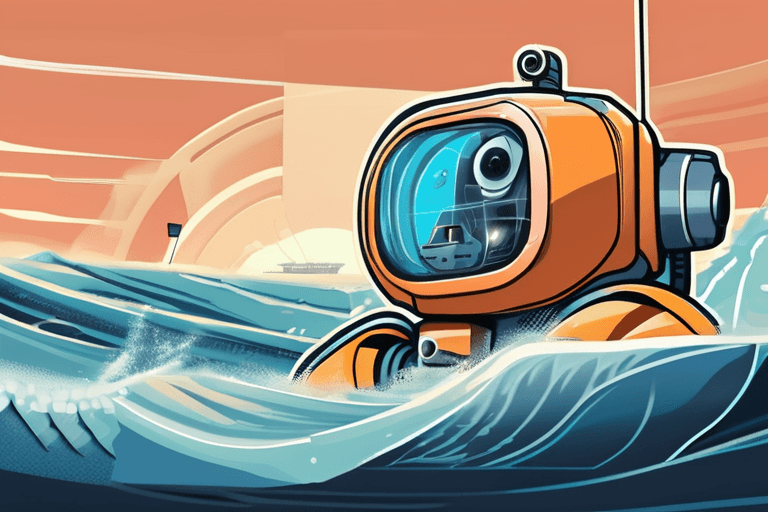
The company's robots are designed to withstand extreme ocean conditions, enabling the collection of vital data during severe weather events like Category 5 hurricanes. This data can improve weather forecasting, inform climate models, and enhance maritime safety. The specific technical details of the robot's design and capabilities were not disclosed.
The implications of Oshen's technology extend to various industries, including shipping, fishing, and offshore energy. Access to real-time data on ocean conditions can optimize routes, improve resource management, and mitigate risks associated with extreme weather.
Oshen's current status and future plans were not detailed, but the development of a hurricane-resistant ocean robot marks a significant step forward in ocean data collection capabilities.



















Discussion
Join the conversation
Be the first to comment