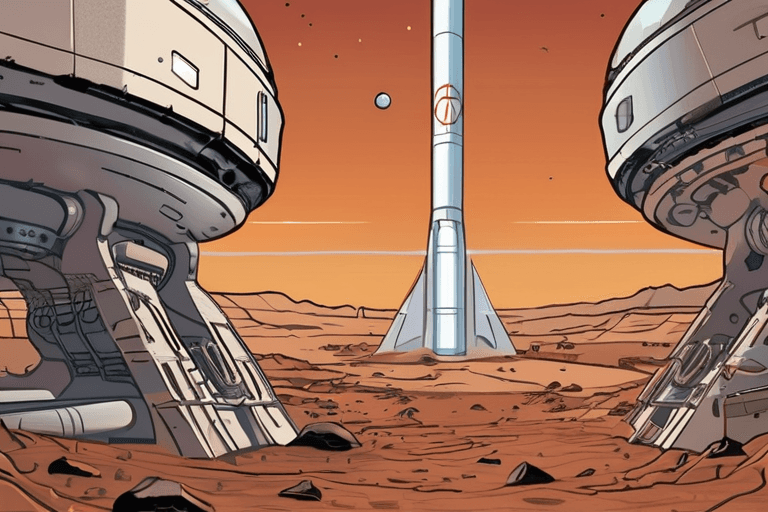
NASA will no longer bring Martian rock samples back to Earth, a decision that has sparked debate within the scientific community about the potential loss of invaluable research opportunities. The change in plans, detailed in the Nature Briefing Podcast on January 16, 2026, stems from budgetary constraints and revised mission priorities.
The original Mars Sample Return (MSR) mission aimed to collect and return samples of Martian rocks and soil to Earth for in-depth analysis. Scientists hoped these samples would provide crucial insights into the planet's geological history, potential for past or present life, and the evolution of the solar system. The samples were seen as a key to unlocking some of the biggest mysteries about Mars.
However, the complexity and cost of the MSR mission have proven to be significant hurdles. NASA officials cited the need to re-evaluate the mission's scope and find more cost-effective ways to achieve its scientific objectives. The decision has been met with disappointment from researchers who believe that studying Martian samples in terrestrial laboratories, with access to advanced analytical equipment, is essential for making groundbreaking discoveries.
In related news, research into the genetics of dogs has shed light on the origins of their floppy ears. A study published in Nature explores the genetic factors that contribute to the variation in ear morphology among different dog breeds. The research identifies specific genes associated with ear size and shape, providing insights into the domestication process and the selective breeding practices that have shaped the diverse characteristics of modern dogs. Scientists believe understanding these genetic mechanisms could also have implications for understanding developmental biology and the evolution of other animal traits.


















Discussion
Join the conversation
Be the first to comment