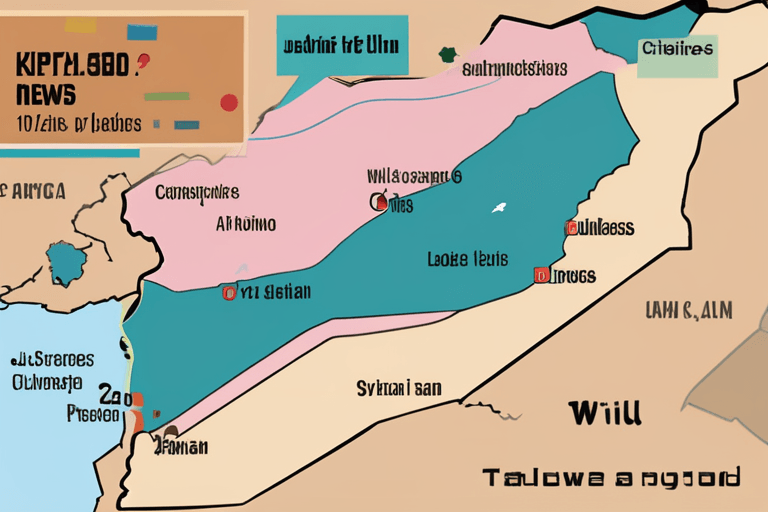
The Syrian army has made significant territorial gains in northeastern Syria, seizing areas previously controlled by the Kurdish-led Syrian Democratic Forces (SDF), according to military reports. The advances follow intense battles that began in Aleppo and have since expanded to the northeastern parts of the country.
The Syrian government's recent advances pave the way for tightening its grip on a strategic and oil-rich region. This development raises questions about the future of Kurdish autonomy in Syria and the broader regional implications.
Multiple rounds of talks and agreements between Damascus and the SDF leadership over the past year have failed to produce results, despite U.S. involvement in efforts to mediate common ground. "Many attempts have been made to find a peaceful resolution, but the differences remain significant," said Omar Abu Layla, a Syrian Affairs analyst.
The fighting represents a potential nightmare scenario for the U.S., which has supported the SDF in the fight against ISIS. The current clashes risk destabilizing the region further and could potentially allow for a resurgence of ISIS activity, according to Scott Lucas, a professor of U.S. and international politics at University.
Syria recently announced a ceasefire agreement with the Kurd-led SDF after heavy fighting, but the long-term stability of this agreement remains uncertain. The Syrian army's continued advances suggest a determination to reassert control over all Syrian territory, potentially setting the stage for further conflict or negotiation. The situation remains fluid, and future developments will likely depend on the outcome of ongoing negotiations and the actions of various regional and international actors.

















Discussion
Join the conversation
Be the first to comment