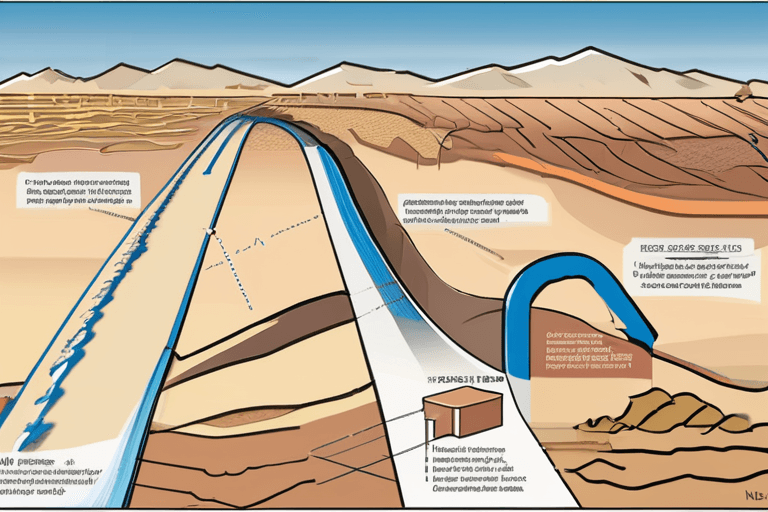
Tiny earthquakes revealed a dangerous, hidden fault system beneath Northern California. Scientists from UC Davis discovered the complex zone by tracking faint tremors. The area marks the meeting point of the San Andreas fault and the Cascadia subduction zone. This intersection is one of North America's most dangerous seismic regions.
The research, conducted through January 2026, challenged previous assumptions about the area's geology. These tiny quakes, too weak to feel, provided crucial data. Scientists used advanced AI algorithms to analyze the earthquake swarms. The AI identified patterns and structures invisible to traditional methods.
The discovery prompted immediate reassessment of earthquake risk models. Emergency response teams are updating disaster preparedness plans. The findings highlighted the need for improved seismic monitoring infrastructure.
The San Andreas fault and Cascadia subduction zone are major tectonic features. Their interaction creates a complex and volatile seismic environment. Understanding this interaction is crucial for predicting future earthquakes.
Researchers will continue to monitor the region using AI-powered analysis. They aim to refine earthquake forecasts and improve public safety. Further studies will investigate the potential for larger earthquakes in the area.



















Discussion
Join the conversation
Be the first to comment