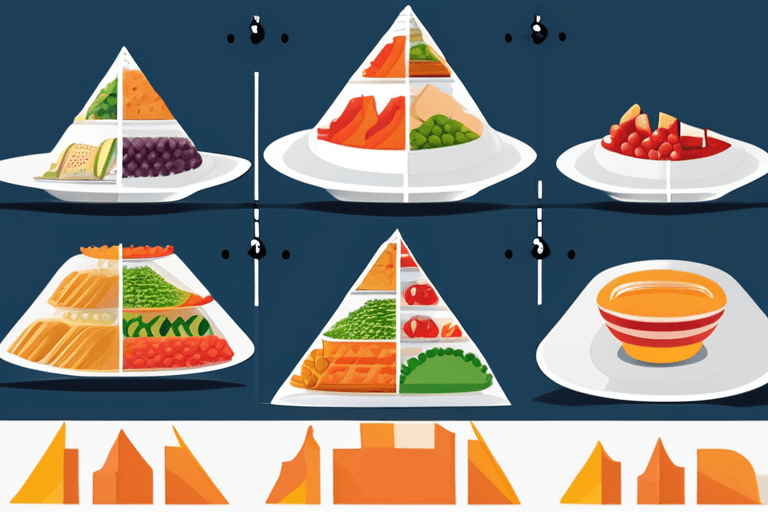
Health Secretary Robert F. Kennedy Jr. recently unveiled a revised food pyramid as part of the Make America Healthy Again (MAHA) movement, signaling a shift away from processed carbohydrates and added sugars towards increased consumption of fats and proteins, particularly from animal sources. This initiative is expected to significantly influence American eating habits in the coming years, but it's not the only factor at play, according to Liz Dunn, author of the newsletter Consumed.
Dunn, in a recent interview on the podcast Today, Explained, outlined several predictions for how Americans will eat in 2026, some of which align with the MAHA agenda while others diverge. "There's a real tension between government recommendations and consumer preferences," Dunn noted, highlighting the complexity of predicting future food trends.
One key prediction is that the focus on protein will intensify. "What comes after peak protein will be more protein," Dunn stated, suggesting that the current emphasis on protein consumption is not a passing fad but a continuing trend. This aligns with the MAHA movement's promotion of animal-based protein sources.
However, Dunn also anticipates trends that may clash with the MAHA initiative. She predicts that sugar-laden drinks will become even sweeter, a development that would likely be met with disapproval from Secretary Kennedy Jr. and other proponents of the MAHA agenda.
The rise of personalized nutrition, driven by advancements in AI and data analysis, is another significant factor. Companies are increasingly using algorithms to analyze individual health data and recommend tailored diets and supplement regimens. "AI is allowing us to move beyond generic dietary advice and towards truly individualized recommendations," Dunn explained. This trend aligns with the MAHA movement's emphasis on supplements, but also raises concerns about data privacy and the potential for algorithmic bias.
The MAHA movement, while influential, is just one piece of the puzzle. Consumer preferences, technological advancements, and economic factors will all play a role in shaping the future of American eating habits. The next few years will reveal the extent to which the government's recommendations can influence individual choices in a rapidly evolving food landscape.


















Discussion
Join the conversation
Be the first to comment