Panic gripped global markets Tuesday as investors appeared to be dumping American assets, sending tremors through the financial world. The yield on the 10-year Treasury soared to its highest level since August, the U.S. dollar weakened, and safe-haven assets like gold and silver surged to record highs. But is this a rational response, or a knee-jerk reaction to political noise?
The catalyst for the market selloff was a familiar one: escalating trade tensions sparked by U.S. President Donald Trump. His threat of a 10% tariff on eight European allies, including economic powerhouses like Germany, France, and the U.K., unless they acquiesce to his demands regarding Greenland, sent a chill through investor confidence. Adding fuel to the fire, Trump also threatened a staggering 200% tariff on French wine and Champagne, aiming to pressure French President Emmanuel Macron to join his proposed "Board of Peace."
This renewed embrace of tariffs, a policy that has repeatedly rattled markets, has bond investors particularly on edge. The volatility injected into the market by these pronouncements has led to a flight from U.S. assets, raising questions about the long-term implications for the American economy.
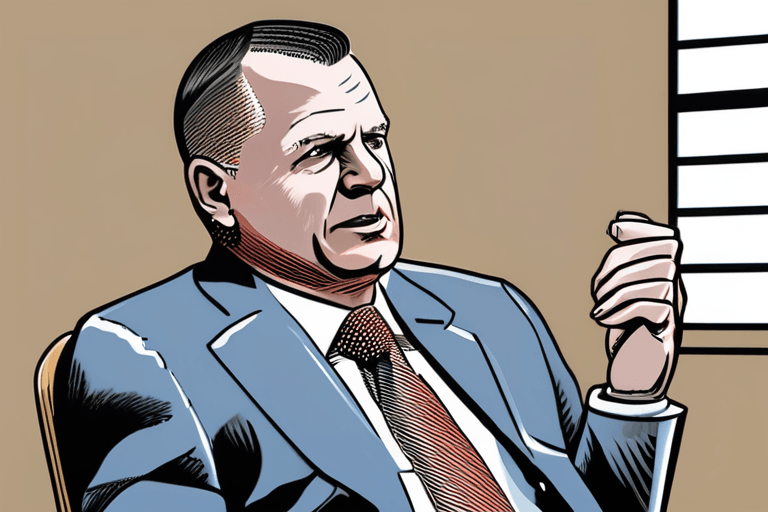
However, Sergio Ermotti, CEO of UBS Group, the world's largest private bank, believes this bearish sentiment towards the U.S. is a dangerous overreaction. Speaking to Bloomberg at the World Economic Forum in Davos, Switzerland, Ermotti argued that diversifying away from America is "impossible." He emphasized the enduring strength of the U.S. economy, stating, "Things can change rapidly, and the U.S. is the strongest economy in the world, the one who has the highest level of innovation right now."
Ermotti's perspective offers a crucial counterpoint to the prevailing market anxiety. While acknowledging the potential for short-term fluctuations driven by political events, he underscores the fundamental resilience and innovative capacity of the U.S. economy. His comments highlight the importance of considering the bigger picture, rather than getting caught up in the daily whirlwind of political headlines.
The current market turbulence serves as a stark reminder of the interconnectedness of global finance and the sensitivity of investor sentiment to political developments. While Trump's "Mr. Tariff" approach may generate short-term leverage in trade negotiations, it also carries the risk of destabilizing markets and undermining confidence in the U.S. economy. Whether investors will ultimately heed Ermotti's warning and recognize the enduring strength of the American economy remains to be seen. But one thing is certain: the coming weeks will be a crucial test of the market's ability to separate political noise from economic reality.
















Discussion
Join the conversation
Be the first to comment