Biometric technology is poised to expand significantly at U.S. airports this year, promising to expedite processes at security, customs, immigration checkpoints, and during boarding. This expansion allows passengers to potentially keep their physical documents stored away.
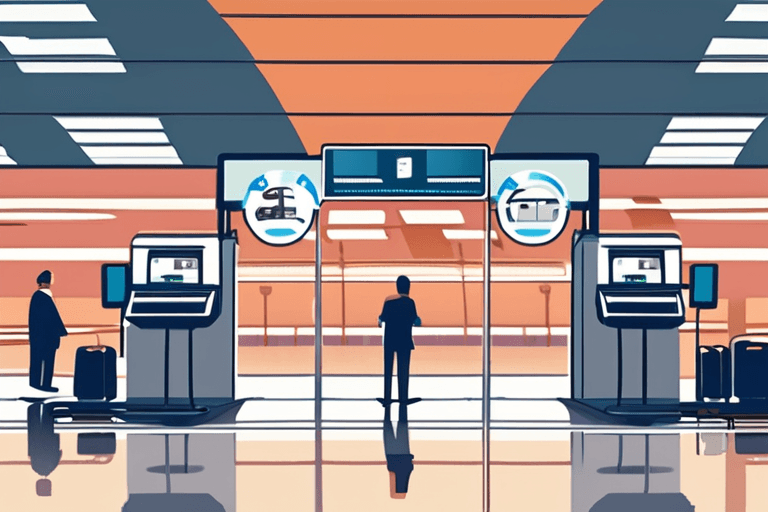
Travelers are increasingly encountering e-gates, physical barriers equipped with facial recognition, designed to verify a traveler's identity and authorization to enter the United States, particularly when boarding international flights. These advancements, however, are raising concerns among privacy experts and immigration activists.
Several airports are piloting advanced technologies that may be implemented more broadly in the coming year. Orlando International Airport, for example, is currently testing a biometric corridor. This corridor is a designated area where multiple cameras can simultaneously identify numerous travelers in motion, streamlining the identification process.
A growing number of carriers, including Alaska Airlines and American Airlines, are collaborating with the Transportation Security Administration (TSA) to implement "Touchless ID." This facial-recognition-powered system allows travelers to proceed through security checkpoints without presenting physical identification.
Touchless ID utilizes facial recognition technology to match a traveler's face to their photo ID stored in government databases. The system creates a secure, encrypted digital token that verifies the traveler's identity at each checkpoint. This process aims to reduce physical contact and accelerate security procedures.
The TSA has been actively exploring and implementing biometric technologies as part of its broader efforts to enhance security and improve passenger experience. The agency believes that facial recognition and other biometric tools offer a more efficient and accurate way to verify identity compared to traditional methods.
While proponents emphasize the efficiency and security benefits of biometric technology, privacy advocates express concerns about the potential for misuse and the collection of sensitive personal data. They argue that clear regulations and safeguards are needed to protect individual privacy rights. Some immigration activists are concerned about the potential for bias and discrimination in facial recognition systems, particularly against marginalized communities.
The rollout of biometric technology at airports is expected to continue in the coming years, with more airports and airlines adopting these systems. The industry anticipates further advancements in facial recognition and other biometric technologies, potentially leading to even more seamless and secure travel experiences. The focus will likely be on balancing the benefits of increased efficiency and security with the need to protect individual privacy and civil liberties.


















Discussion
Join the conversation
Be the first to comment