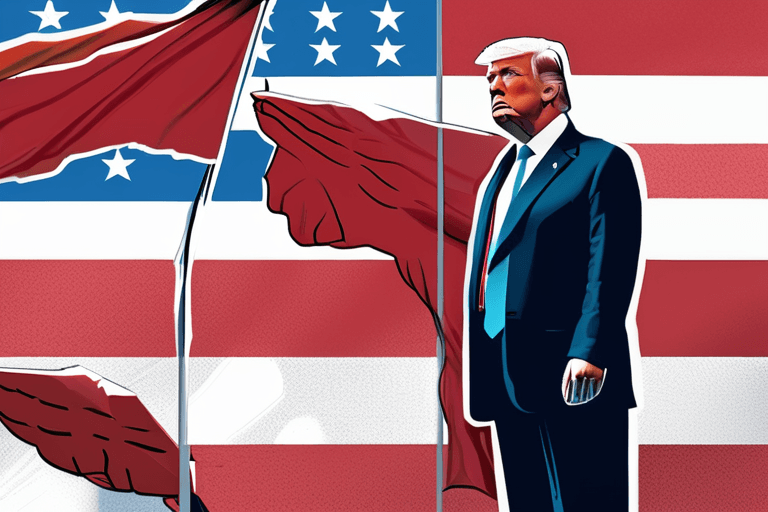
President Donald Trump stated that the U.S. and NATO have established the "framework of a future deal" regarding Greenland and the Arctic region, while also announcing a backing down from threatened tariffs against European allies. The announcement followed discussions at the World Economic Forum in Switzerland, where Trump reiterated his interest in a deal concerning Greenland, despite previously expressing a desire for outright "ownership" of the island.
Trump conveyed the development via his social media platform, Truth Social, on Wednesday, stating, "This solution, if consummated, will be a great one for the United States of America, and all Nato Nations." He provided no specific details regarding the nature of the potential agreement.
The discussions come after weeks of strained relations between the U.S. and its transatlantic allies, fueled by Trump's previous interest in purchasing Greenland, an autonomous territory within the Kingdom of Denmark. Denmark rebuffed the idea, leading to diplomatic tensions. Trump's recent statement suggests a shift toward a more collaborative approach, potentially involving NATO's strategic interests in the Arctic.
The Arctic region has gained increasing geopolitical importance due to climate change, which is causing ice to melt and opening up new shipping routes and access to natural resources. This has led to increased interest from various nations, including Russia and China, prompting concerns about security and resource competition.
The concept of a "framework" suggests that the discussions are in preliminary stages and that significant details remain to be negotiated. It is unclear what specific aspects of Greenland or the Arctic region are being considered in the potential deal. Diplomatic sources have not yet provided further clarification on the matter.
The backing down from tariff threats against European allies could be linked to the Greenland discussions, potentially indicating a willingness to foster cooperation on broader strategic issues. The U.S. has previously threatened tariffs on European goods in disputes over trade practices and defense spending.
The next steps will likely involve further negotiations between the U.S., Denmark, and potentially other NATO members, to define the specific terms of the agreement. The outcome of these discussions could have significant implications for the future of the Arctic region and the balance of power among nations with interests in the area.


















Discussion
Join the conversation
Be the first to comment