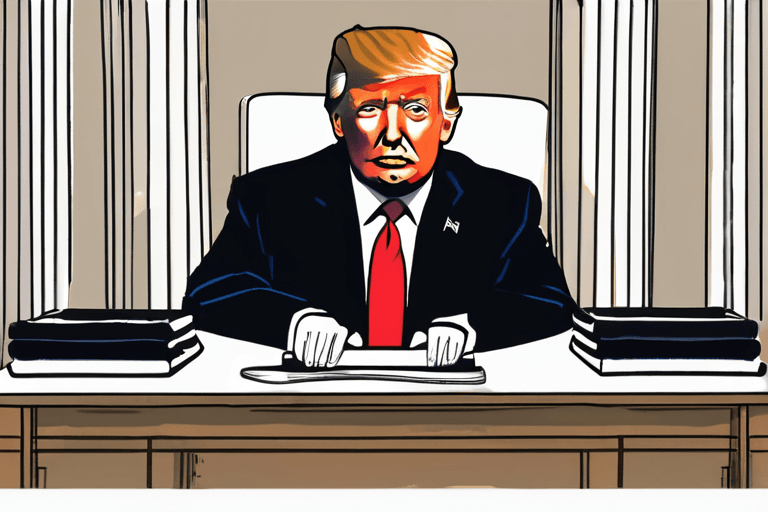
President Trump signed the founding charter of his proposed Board of Peace on Thursday at the World Economic Forum in Davos, Switzerland. The signing ceremony, held on the sidelines of the annual gathering, represented the most tangible development in Trump's initiative to establish the board, which his administration asserts will facilitate the fragile ceasefire in Gaza and coordinate reconstruction and governance efforts following over two years of conflict.
Trump described the board as a new international mechanism to oversee postwar stabilization in Gaza and potentially other conflict zones. "This isn't the United States this is for the world," Trump stated during the ceremony, emphasizing the board's intended global scope. However, several U.S. allies have publicly declined to participate, creating a rift in the international community regarding the proposed plan. The final composition of the board remains unconfirmed.
The Board of Peace initiative emerges against a backdrop of complex geopolitical dynamics in the Middle East. The conflict in Gaza, lasting more than two years, has resulted in a severe humanitarian crisis and widespread destruction, exacerbating existing tensions between Israel and Palestine, and drawing in regional actors. Previous attempts at brokering lasting peace have faltered, hampered by deep-seated mistrust and competing national interests. The proposed board aims to provide a neutral platform for coordinating international aid, rebuilding infrastructure, and establishing stable governance structures in the aftermath of the conflict.
The reluctance of some U.S. allies to join the Board of Peace stems from concerns about its mandate, operational structure, and potential impact on existing international frameworks. Some nations have expressed reservations about the board's perceived lack of independence from the U.S. administration, while others question its ability to effectively address the underlying political issues fueling the conflict. These dissenting voices advocate for a more inclusive approach, involving a broader range of stakeholders, including representatives from Palestinian civil society and regional powers.
The establishment of the Board of Peace and its future effectiveness will depend on its ability to garner broad international support and navigate the complex political landscape of the Middle East. The coming months will be crucial in determining whether the board can overcome existing divisions and contribute to a lasting resolution of the conflict in Gaza and other affected regions.



















Discussion
Join the conversation
Be the first to comment