Imagine a world where fewer families grieve the sudden loss of a loved one to heart disease. That world is inching closer to reality. While heart disease remains the number one killer in the United States, claiming a life approximately every 34 seconds, a recent report from the American Heart Association (AHA) offers a glimmer of hope: deaths from cardiovascular disease and strokes are on the decline.
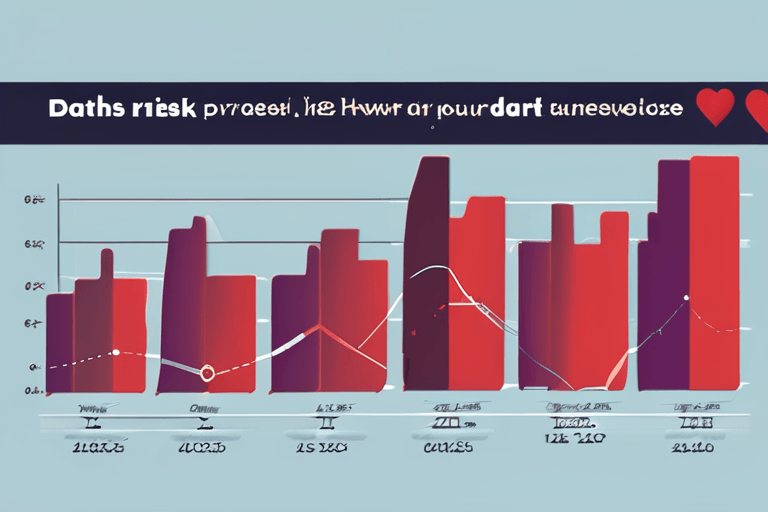
This positive trend signals progress in the ongoing battle against a disease that has plagued humanity for centuries. The AHA's annual report, released this week, reveals that in 2023, there were roughly 25,000 fewer deaths from cardiovascular disease and strokes compared to 2022. This decline offers a much-needed respite after a period of increased heart disease mortality during the pandemic.
The reasons behind this decline are multifaceted. Experts point to advancements in medical treatments, increased awareness of risk factors, and public health initiatives promoting healthier lifestyles. However, they also caution that the fight is far from over. Heart disease remains a significant threat, and understanding how to reduce individual risk is crucial.
"We've made significant strides in treating heart disease," says Dr. Emily Carter, a cardiologist at the National Institutes of Health. "But prevention is always better than cure. We need to empower individuals to take control of their heart health."
So, what can individuals do? The answer, while not always easy, is rooted in simple yet powerful lifestyle changes.
One of the most impactful steps is adopting a heart-healthy diet. This means prioritizing fruits, vegetables, whole grains, and lean protein, while limiting processed foods, sugary drinks, and saturated fats. "Think of your plate as a canvas," suggests registered dietitian Sarah Miller. "Fill it with vibrant colors from fruits and vegetables. These are packed with nutrients that protect your heart."
Regular physical activity is another cornerstone of heart health. The AHA recommends at least 150 minutes of moderate-intensity exercise or 75 minutes of vigorous-intensity exercise per week. This could include brisk walking, jogging, swimming, or cycling. Even small amounts of physical activity can make a difference. As the NPR source material notes, green, open spaces within urban environments, like Central Park in New York City, can help people exercise more.
Managing stress is also crucial. Chronic stress can raise blood pressure and contribute to heart disease. Finding healthy ways to cope with stress, such as meditation, yoga, or spending time in nature, can significantly benefit heart health.
Finally, it's essential to be aware of your individual risk factors. These include high blood pressure, high cholesterol, diabetes, smoking, and a family history of heart disease. Regular check-ups with a healthcare provider can help identify and manage these risk factors.
The decline in heart disease deaths is a testament to the power of scientific advancements and public health efforts. However, the fight against this deadly disease requires a collective effort. By embracing heart-healthy habits and working closely with healthcare providers, individuals can significantly reduce their risk and contribute to a future where fewer lives are lost to heart disease. The progress is encouraging, but the journey to a healthier future for all continues.















Discussion
Join the conversation
Be the first to comment