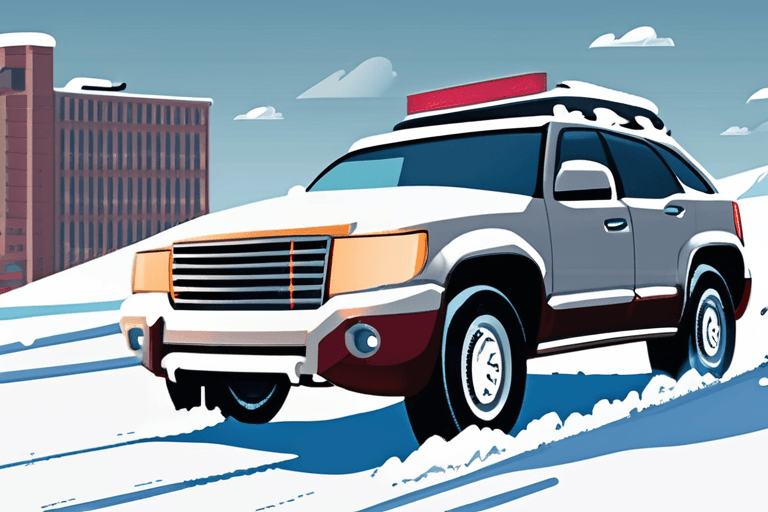
More than 160 million people in the United States are bracing for a severe winter storm expected to bring heavy snow, freezing rain, and sub-zero temperatures across a large swath of the country, beginning Friday. The National Weather Service (NWS) warned of "extremely dangerous" conditions as the storm tracks eastward from the High Plains and Rockies, potentially disrupting travel and causing widespread power outages.
The NWS cautioned that an Arctic blast accompanying the storm would bring dangerously low temperatures and wind chills, creating a "life-threatening risk of hypothermia and frostbite to exposed skin." Transportation officials across the U.S., including airport authorities in major cities, issued warnings about potential weekend travel disruptions, delays, and cancellations. The storm's slow movement is expected to blanket cities such as Memphis, Nashville, Washington D.C., Baltimore, Philadelphia, and New York with snow.
Winter storms are a recurring phenomenon in North America, often impacting infrastructure and daily life. The severity of this particular storm, however, raises concerns about its potential impact on vulnerable populations and the ability of infrastructure to withstand prolonged periods of extreme cold. Similar weather events in other parts of the world, such as the "Beast from the East" that impacted Europe in 2018, have demonstrated the far-reaching consequences of severe winter weather, including economic losses and disruptions to essential services.
The predicted heavy snowfall extends from the Southern Rockies and Plains into the Mid-Atlantic region and up to the Northeast. Emergency services are preparing for a potential surge in demand as residents grapple with power outages and hazardous travel conditions. The storm highlights the challenges faced by countries in temperate zones as they balance economic development with the need for resilient infrastructure capable of withstanding extreme weather events, a challenge shared by nations from Canada to Russia.

















Discussion
Join the conversation
Be the first to comment