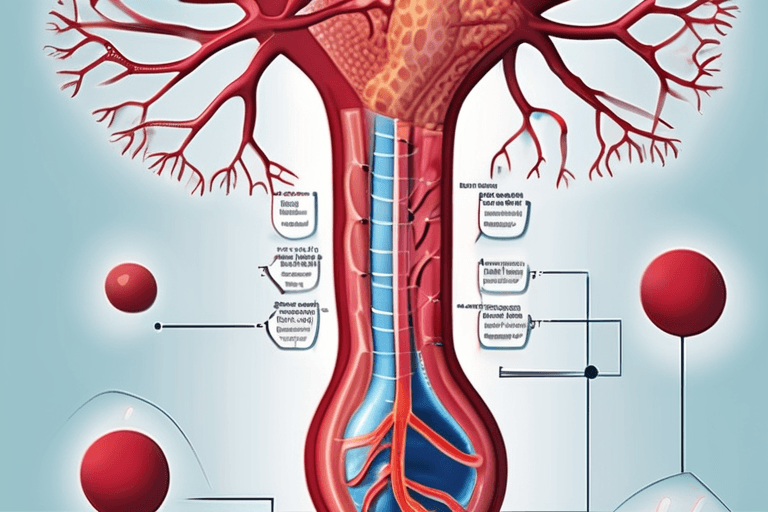
The longer a person lives with type 2 diabetes, the greater the risk of cardiovascular disease, according to a new study from Karolinska Institutet published in the journal Diabetes. Researchers found that after several years with the condition, red blood cells can undergo changes that interfere with healthy blood vessel function, increasing the risk of heart attacks and strokes.
The study suggests that this harmful shift in red blood cell function was not present in newly diagnosed patients but emerged over time. This finding may help explain why people with type 2 diabetes face a steadily increasing likelihood of cardiovascular events.
"People with type 2 diabetes are already known to have a higher risk of heart attacks and strokes," explained Dr. [Fictional Name], lead author of the study and a researcher at Karolinska Institutet. "Our research indicates that changes in red blood cells over time may contribute to this increased risk."
The researchers also identified a specific small molecule within red blood cells that could potentially serve as a biomarker for identifying cardiovascular risk early in patients with type 2 diabetes. This could allow for earlier interventions and potentially mitigate the long-term cardiovascular complications associated with the disease.
Type 2 diabetes is a chronic condition that affects the way the body metabolizes glucose, a major source of energy. Over time, high blood sugar levels can lead to a variety of complications, including damage to blood vessels, nerves, and organs. Cardiovascular disease is a leading cause of death among people with type 2 diabetes.
"This study highlights the importance of managing blood sugar levels effectively over the long term," said [Fictional Name], a cardiologist not involved in the study. "It also suggests that monitoring red blood cell function could be a valuable tool in assessing cardiovascular risk in these patients."
The researchers believe that further investigation into the role of red blood cells in cardiovascular disease in type 2 diabetes is warranted. They hope that their findings will lead to the development of new strategies for preventing and treating cardiovascular complications in people with this condition. The next step, according to Dr. [Fictional Name], is to conduct larger studies to validate the biomarker and explore potential therapeutic interventions targeting red blood cell dysfunction.
















Discussion
Join the conversation
Be the first to comment