Greenland holds vast reserves of rare earth minerals, potentially enough to supply global demand for the next 115 years, raising both economic opportunities and environmental concerns, according to a 2021 Al Jazeera report. The prospect of large-scale mining operations in southern Greenland, specifically championed by figures like former President Donald Trump, has ignited debate among residents who fear the potential disruption to their traditional livelihoods.
Rare earth elements (REEs) are a set of 17 metallic elements crucial for manufacturing a wide array of modern technologies. These include smartphones, wind turbines, electric vehicle batteries, and defense systems. The increasing global demand for these technologies has made access to REEs a strategic priority for many nations. Neodymium and praseodymium, used in permanent magnets for electric motors and wind turbine generators, are among the most sought-after REEs. Dysprosium and terbium, also used in magnets, are critical for high-temperature applications.
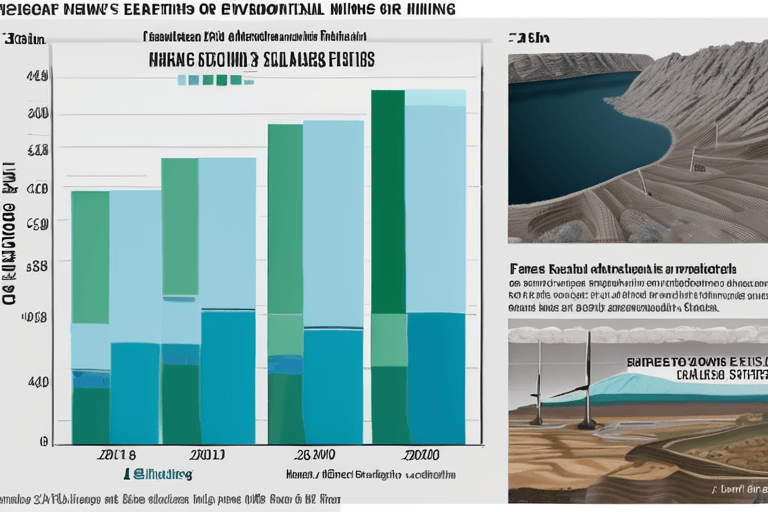
The southern region of Greenland is particularly rich in these minerals. However, extracting them is a complex process. It typically involves open-pit mining, which can have significant environmental impacts, including habitat destruction and water contamination. The refining process also requires the use of chemicals that can pose risks to both the environment and human health if not managed properly.
Al Jazeera's Nick Clark visited mineral-rich southern Greenland in 2021 and documented the concerns of local communities. Many residents worry that large-scale mining will negatively impact their traditional ways of life, which are heavily reliant on fishing and reindeer herding. They fear that pollution from mining operations could contaminate fishing grounds and grazing lands, threatening their economic stability and cultural heritage.
While the potential economic benefits of mining are undeniable, the environmental and social costs are a major concern. Proponents of mining argue that it could bring much-needed jobs and revenue to Greenland, helping to diversify its economy and reduce its dependence on foreign aid. They also point to the importance of securing a reliable supply of REEs for the green energy transition.
The Greenland government faces the challenge of balancing economic development with environmental protection and the preservation of local cultures. Any future mining projects will likely be subject to strict environmental regulations and require extensive consultations with local communities to ensure that their concerns are addressed. The debate over rare earth mining in Greenland highlights the complex trade-offs involved in exploiting natural resources in a sustainable and responsible manner.

















Discussion
Join the conversation
Be the first to comment