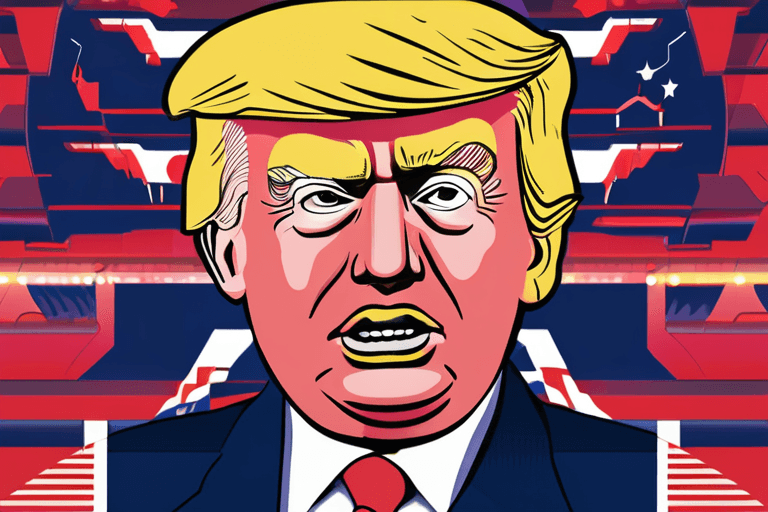
The world woke up on a Saturday morning in January 2026 to a startling announcement: US forces had captured Venezuelan President Nicolás Maduro. President Donald Trump, in a brief statement, declared that Maduro was being transported to New York aboard a US military vessel. This dramatic event, the culmination of a military operation involving large-scale strikes on Venezuela, sent shockwaves across the globe, raising questions about the future of international relations and the role of interventionism in a rapidly changing world.
The capture of Maduro didn't materialize out of thin air. It was the boiling point of years of escalating tensions between the United States and Venezuela. The US had long accused Maduro's regime of corruption, human rights abuses, and undermining democratic institutions. These accusations were coupled with crippling economic sanctions aimed at pressuring Maduro to step down. The situation was further complicated by the deep political and economic crisis within Venezuela, marked by hyperinflation, shortages of basic goods, and a mass exodus of its citizens.
The Trump administration had been particularly vocal in its condemnation of Maduro, even recognizing opposition leader Juan Guaidó as the legitimate interim president of Venezuela in 2019. This recognition, however, failed to dislodge Maduro from power. Over the years, the US employed a range of tactics, from diplomatic pressure to economic sanctions, in an attempt to force a change in leadership. Speculation about potential US military intervention had been simmering for years, fueled by hawkish voices within the administration and the increasingly dire situation on the ground in Venezuela.
"The situation in Venezuela had become untenable," explained Dr. Anya Sharma, a professor of international relations at Georgetown University, in an interview shortly after Maduro's capture. "The US government felt it had exhausted all other options. The humanitarian crisis, coupled with the perceived threat to regional stability, likely pushed them to take this drastic action."
The decision to capture Maduro, however, was not without its critics. Many international law experts argued that the action violated international norms of sovereignty and non-intervention. "Regardless of Maduro's alleged crimes, the US action sets a dangerous precedent," argued Professor Enrique Alvarez, a specialist in Latin American politics at the University of California, Berkeley. "It opens the door for other countries to justify similar interventions in the future, potentially destabilizing the entire international system."
The capture of Maduro raises profound questions about the future of US foreign policy and the limits of interventionism. While the Trump administration justified its actions as necessary to protect human rights and promote democracy, the long-term consequences of this intervention remain to be seen. The event serves as a stark reminder of the complex and often unpredictable nature of international relations in the 21st century.












Discussion
Join the conversation
Be the first to comment