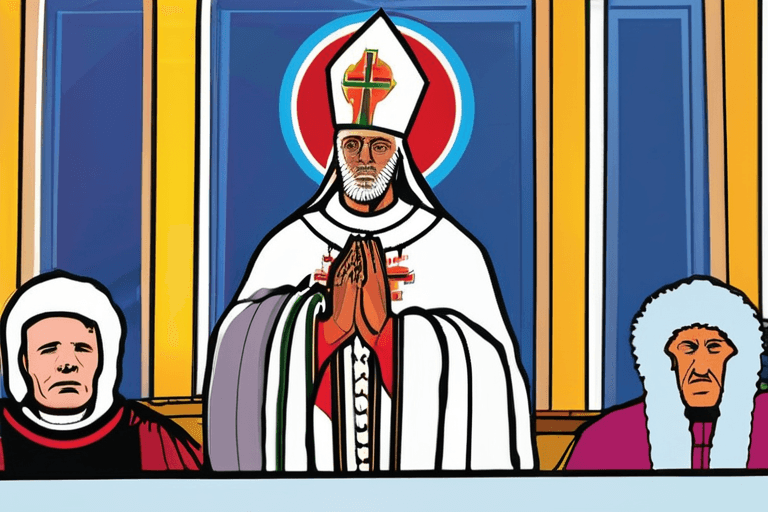
Hirschfeld's call to action came as a response to what he described as the "cruelty, the injustice and the horror unleashed in Minneapolis," referencing the shooting and the broader climate surrounding immigration enforcement. He warned his clergy to prepare for what he termed "a new era of martyrdom." The bishop's office confirmed that the directive was intended to encourage clergy to consider the potential risks they face while ministering to vulnerable populations, particularly undocumented immigrants, in the current political climate.
The incident in Minneapolis, which triggered widespread protests and renewed calls for immigration reform, has amplified existing concerns about ICE's tactics and the potential for abuse of power. The Trump administration has threatened to invoke the Insurrection Act amid the anger and protests. Similar debates over immigration policy and enforcement are occurring globally, from the European Union's struggles with migrant flows from Africa and the Middle East to Australia's controversial offshore detention policies. These international examples highlight the complex ethical and legal challenges governments face in managing migration and border security.
The bishop's message resonates with historical parallels to clergy who have risked their lives to protect marginalized communities. Throughout history, religious leaders have often been at the forefront of social justice movements, sometimes facing persecution or even death for their beliefs and actions. The Sanctuary Movement of the 1980s, in which U.S. churches provided refuge to Central American refugees fleeing civil wars, serves as a recent example of faith-based resistance to government policies.
Critics of Hirschfeld's statement argue that it is alarmist and could incite unnecessary fear. Some conservative commentators have accused the bishop of exaggerating the risks faced by clergy and of politicizing the issue. However, supporters maintain that the bishop is simply fulfilling his duty to protect his clergy and to stand in solidarity with vulnerable communities.
The Episcopal Church of New Hampshire has not announced any specific plans to change its ministry practices in response to the bishop's warning. However, the diocese is reportedly providing resources and support to clergy who wish to update their wills and to better understand their legal rights and responsibilities. The situation remains fluid, and the long-term impact of the bishop's directive on the church's engagement with immigration issues remains to be seen.

















Discussion
Join the conversation
Be the first to comment