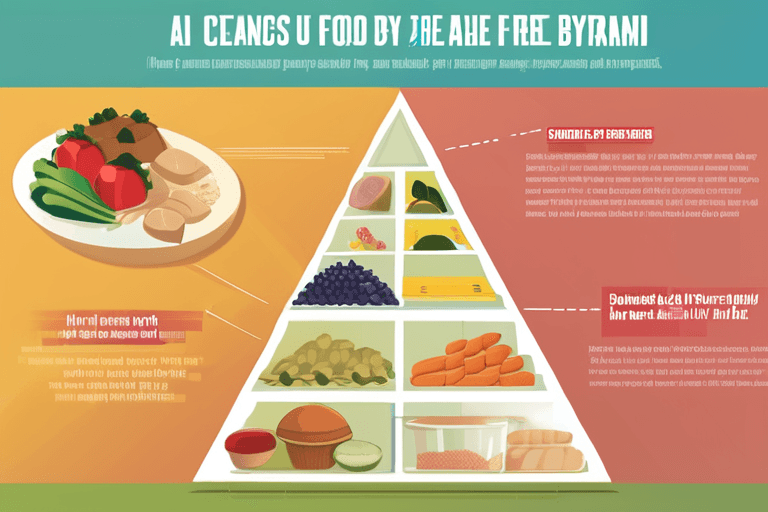
Health Secretary Robert F. Kennedy Jr. recently unveiled a revised food pyramid as part of the Make America Healthy Again (MAHA) movement, signaling a shift in dietary recommendations towards increased fat and protein consumption while discouraging processed carbohydrates and added sugars. This initiative is expected to significantly impact American eating habits, but other trends are also emerging that could shape the future of food consumption. Liz Dunn, author of the newsletter "Consumed," discussed her predictions for how Americans will eat in 2026 on the "Today, Explained" podcast.
Dunn anticipates that the focus on protein will intensify, even after reaching what some consider "peak protein." This suggests a continued emphasis on meat and other protein-rich sources in the American diet. While MAHA supports increased supplement use, Dunn also predicts the persistence, and even intensification, of less healthy trends, such as the consumption of sugar-laden drinks.
The MAHA movement aims to address public health concerns by promoting dietary changes. The inverted food pyramid reflects a growing understanding of the role of macronutrients in overall health and well-being. However, the extent to which Americans will fully embrace these changes remains to be seen, given the diverse range of dietary preferences and habits.
Dunn's predictions highlight the complex interplay of factors influencing food choices, including government initiatives, consumer trends, and individual preferences. The future of American eating habits will likely be shaped by a combination of these forces, with both healthy and less healthy trends coexisting. The full conversation with Liz Dunn can be found on "Today, Explained" wherever podcasts are available, including Apple Podcasts, Pandora, and Spotify.


















Discussion
Join the conversation
Be the first to comment