Researchers at the National Laboratory of the Rockies announced a new silicon-carbide-based power module, dubbed ULIS, on January 19, 2026, that could significantly improve the efficiency of global electricity supplies. The development comes as worldwide energy demand is surging, driven by the proliferation of energy-intensive data centers supporting artificial intelligence, the expansion of advanced manufacturing sectors, and the increasing adoption of electric vehicles.
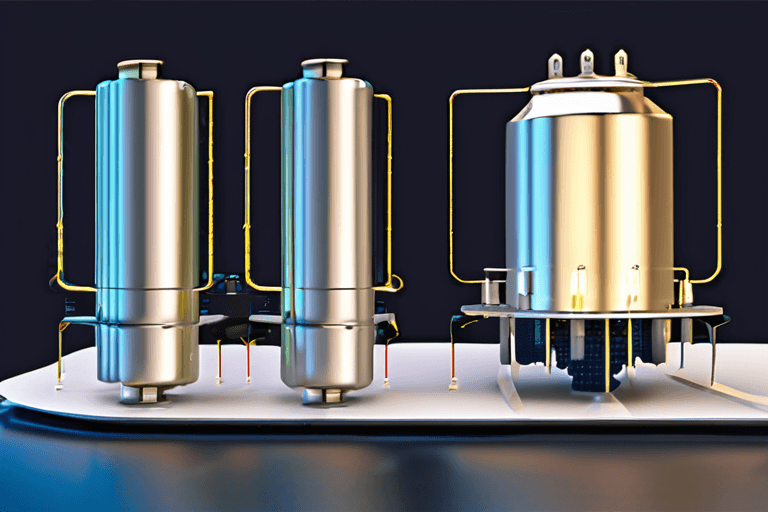
The ULIS power module is designed to pack more power into a smaller, lighter, and more cost-effective design, while simultaneously reducing energy waste. According to the National Laboratory of the Rockies, the module's ultra-low inductance smart design allows it to extract more usable power from existing electricity supplies.
Global electricity consumption has been steadily increasing for decades, particularly in rapidly developing economies across Asia and Africa. This growth is fueled by urbanization, industrialization, and rising living standards. The International Energy Agency (IEA) projects that global electricity demand will continue to rise sharply in the coming years, placing immense strain on existing power grids and energy infrastructure. Meeting this demand sustainably is a major challenge for governments and energy providers worldwide.
The development of more efficient power modules like ULIS is seen as a crucial step in addressing this challenge. By reducing energy waste and improving the utilization of existing electricity supplies, these technologies can help to alleviate pressure on power grids and reduce the need for new power generation capacity. This is particularly important in regions where access to reliable electricity is limited, as it can help to improve energy access and promote economic development.
Silicon carbide is a wide-bandgap semiconductor material that offers several advantages over traditional silicon-based power devices, including higher voltage capabilities, faster switching speeds, and improved thermal performance. These characteristics make silicon carbide ideal for use in high-power applications such as electric vehicles, renewable energy systems, and industrial motor drives.
The ULIS power module is currently undergoing testing and evaluation at the National Laboratory of the Rockies. Researchers are working to optimize its performance and reliability, and to explore its potential applications in a variety of industries. The laboratory anticipates that the technology will be commercially available within the next few years, and that it will play a significant role in shaping the future of energy use around the world.



















Discussion
Join the conversation
Be the first to comment