Imagine standing on the edge of the Colca Canyon, one of the deepest canyons in the world, the wind whipping around you as condors soar effortlessly below. It's a breathtaking vista, a place where the sheer scale of nature dwarfs the everyday concerns of human life. But Arequipa, Peru, offers more than just one stunning view. Beyond the well-trodden paths of Machu Picchu and Cusco lies a region brimming with hidden gems, each with its own unique allure, each a place where one could, metaphorically speaking, "die for" the experience.
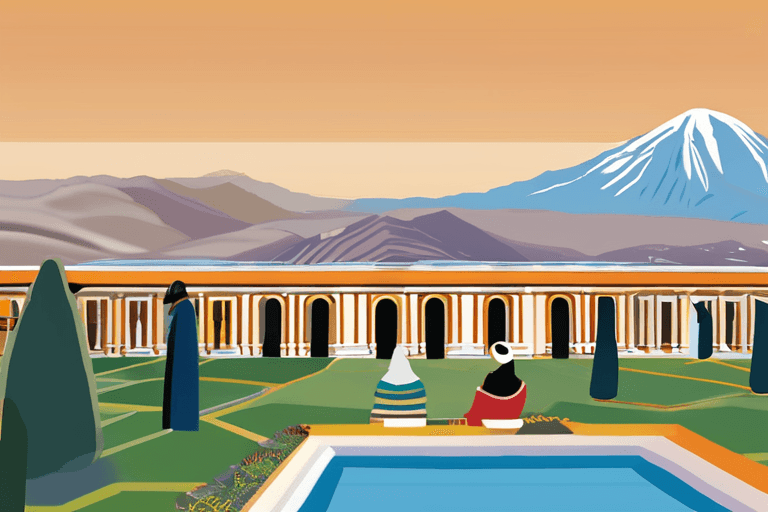
Arequipa, often called the White City, owes its nickname to the distinctive sillar stone, a volcanic rock used extensively in its architecture. This gives the city a unique aesthetic, a luminous quality that sets it apart from other Peruvian urban centers. But Arequipa is more than just a pretty face. It's a city steeped in history and culture, the birthplace of Nobel laureate Mario Vargas Llosa, a testament to the region's intellectual and artistic heritage. While the city itself offers a wealth of attractions, the surrounding region holds even more surprises.
One cannot discuss Arequipa without mentioning the Plaza de Armas, the city's elegant main square. Dominated by a Baroque cathedral, the Plaza is a vibrant hub of activity, a place where locals and tourists alike gather to soak in the atmosphere. Fernando López of PROMPERÚ notes that the Plaza is "a must-see" for any visitor to Arequipa, highlighting its historical significance and architectural beauty. But beyond the well-known landmarks, Arequipa offers a chance to discover places that are less crowded and more intimate. The Colca Canyon, for example, provides an unparalleled opportunity to witness the majesty of the Andes and the grace of the Andean condor.
The allure of Arequipa lies in its ability to offer both grand spectacles and quiet moments of reflection. Whether it's exploring the intricate details of a colonial church or gazing at the vast expanse of the Andean landscape, Arequipa provides a sensory experience that is both captivating and profound. The region's rich history, stunning natural beauty, and vibrant culture make it a destination that is truly worth exploring.



















Discussion
Join the conversation
Be the first to comment