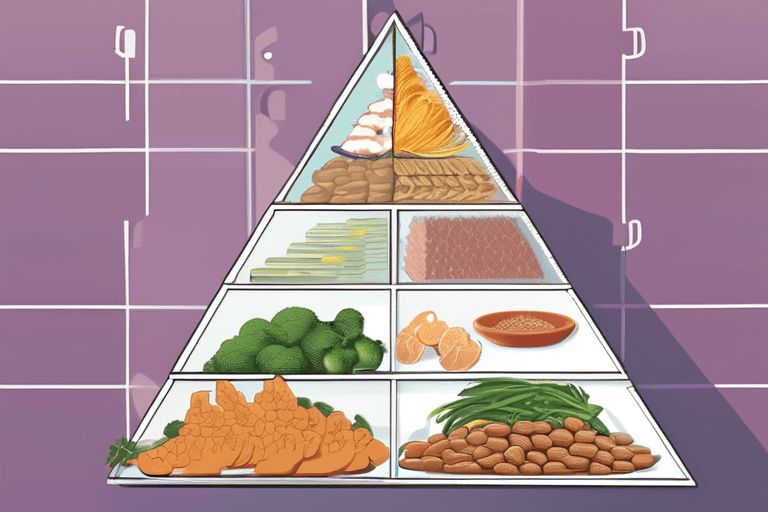
Health Secretary Robert F. Kennedy Jr. unveiled a new food pyramid earlier this month as part of the Make America Healthy Again (MAHA) movement, signaling a shift away from processed carbohydrates and added sugar towards increased consumption of fat and protein, particularly from animal sources. This initiative is expected to significantly impact American eating habits, but it's not the only factor at play, according to Liz Dunn, author of the newsletter "Consumed."
Dunn, in a recent interview on the "Today, Explained" podcast, outlined several predictions for how Americans will eat in 2026, some aligned with MAHA's goals and others in direct opposition. One key prediction is the continued dominance of protein in the American diet. "What comes after peak protein will be more protein," Dunn stated, suggesting that the current trend is far from over.
The MAHA initiative, driven by the government's desire to improve public health, aims to reshape the American diet through revised dietary guidelines and public awareness campaigns. The new food pyramid prioritizes protein and healthy fats, while minimizing the consumption of processed foods and sugary drinks. This represents a significant departure from previous recommendations that emphasized carbohydrates as the primary source of energy.
However, Dunn's predictions suggest a more complex future. While she anticipates increased supplement use, aligning with MAHA's focus on nutritional optimization, she also foresees the continued popularity of sugar-laden drinks, a trend that would likely be met with disapproval from Secretary Kennedy Jr. This divergence highlights the challenges in influencing individual food choices, even with government intervention.
The long-term effects of MAHA and other emerging food trends remain to be seen. The success of the initiative will depend on its ability to change consumer behavior and overcome ingrained dietary habits. The ongoing debate surrounding the optimal diet, coupled with the influence of food industry marketing, creates a dynamic landscape that will continue to shape how Americans eat in the years to come. The full conversation with Liz Dunn can be found on the "Today, Explained" podcast on various platforms, including Apple Podcasts, Pandora, and Spotify.


















Discussion
Join the conversation
Be the first to comment