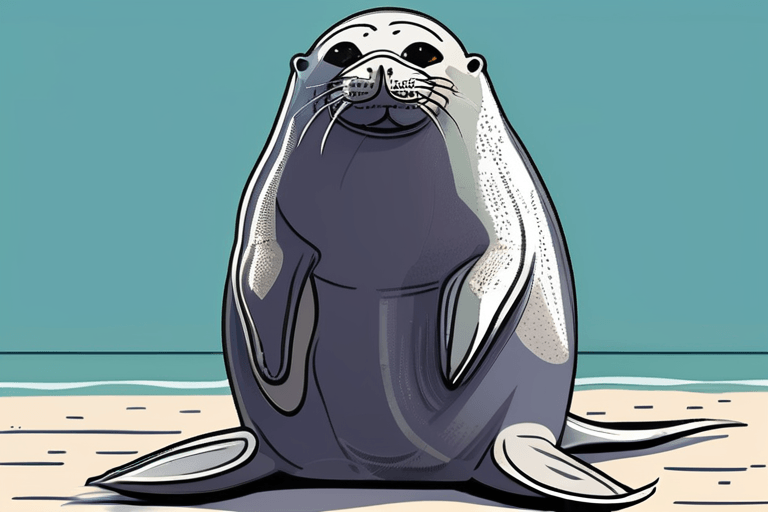
Kalk Bay, a small fishing village located on the Indian Ocean approximately 40 minutes from Cape Town, South Africa, has become known for its unique interaction between humans and wildlife, specifically Cape fur seals. The seals congregate in the harbor, awaiting scraps from the daily catch as fishermen process snoek and yellowtail.
The village, described by NPR's Kate Bartlett as having a "bohemian vibe," attracts tourists and locals alike with its seafood restaurants, bars, independent bookshops, and art galleries. Bartlett noted in her Far-Flung Postcards series that the village is nestled in the shadow of fynbos-covered mountains.
Kalk Bay's history dates back to the 1700s with the arrival of Dutch settlers, contributing to the region's complex cultural makeup. Like much of the Cape region, it is a melting pot of cultures and traditions.
The presence of the seals has both positive and negative implications. While they attract tourists, generating revenue for local businesses, concerns exist regarding the seals' dependence on human-provided food and the potential impact on their natural hunting behaviors. The ethical considerations of feeding wild animals are a subject of ongoing debate among conservationists and local residents.
The situation in Kalk Bay highlights the increasing intersection of human activity and wildlife habitats. As urban areas expand and natural resources dwindle, such interactions are becoming more frequent, requiring careful management and consideration of the long-term ecological consequences. The future of Kalk Bay will likely depend on finding a sustainable balance between tourism, fishing, and the well-being of its wild inhabitants.





















Discussion
Join the conversation
Be the first to comment