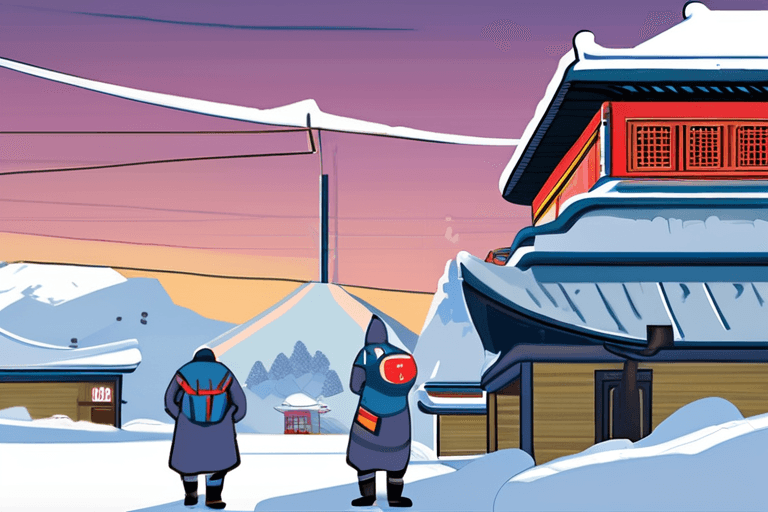
The biting wind howled through the streets of Ulaanbaatar, Mongolia, a familiar song in a city where winter's grip is relentless. But this year, even seasoned residents felt a shiver of unease. News reports crackled with warnings – not just of the usual bone-chilling cold, but of an impending "extreme cold warning." What did that even mean, beyond the already expected sub-zero temperatures? The confusion felt universal, echoing across continents where winter's fury was about to descend.
From the windswept steppes of Mongolia to the snow-laden streets of Chicago, a common question arises as winter tightens its icy grip: what do all these weather warnings actually mean? As a massive winter storm prepares to unleash its power across vast swathes of the globe, understanding the nuances of weather alerts becomes crucial, potentially a matter of survival. The National Weather Service (NWS) in the United States, like meteorological agencies worldwide, issues a flurry of notices – winter storm watches, extreme cold warnings, winter weather advisories – each carrying specific implications. But deciphering these alerts can feel like navigating a blizzard itself.
The challenge lies in the regional variations. What constitutes an "extreme cold warning" in balmy Georgia, where a sudden freeze can cripple infrastructure and leave residents unprepared, differs drastically from the threshold in North Dakota, where survival skills are honed over generations. Richard Bann, a forecaster with the NWS, emphasizes this crucial point: "You will probably find there's going to be a certain amount of regionalization that is necessary." This localized approach acknowledges the diverse climates and cultural adaptations to winter weather across different regions.
Consider the plight of nomadic herders in Mongolia, whose livelihoods depend on the health of their livestock. A "dzud," a particularly harsh winter characterized by heavy snowfall and extreme cold, can decimate herds, plunging families into poverty. For them, a winter weather advisory isn't just a heads-up; it's a call to action, a signal to move livestock to sheltered areas, stockpile fodder, and prepare for potentially devastating losses. Similarly, in mountainous regions of Nepal, a winter storm watch can trigger preparations for potential avalanches, requiring coordinated efforts to evacuate vulnerable communities and ensure the safety of trekkers.
The NWS, like its counterparts around the world, provides a valuable service by issuing these warnings. By entering a zip code on the NWS homepage, individuals can access localized alerts and information. However, the onus is on individuals and communities to understand the specific risks and take appropriate precautions. This requires a shift from passive recipients of information to active participants in their own safety.
As winter intensifies, the ability to interpret weather warnings accurately becomes increasingly vital. It's not just about knowing the temperature; it's about understanding the potential impact on daily life, livelihoods, and even survival. Whether you're bracing for a blizzard in Boston or preparing for a dzud in Mongolia, knowledge is the best defense against winter's unpredictable fury.



















Discussion
Join the conversation
Be the first to comment