Iran implemented widespread internet shutdowns amid ongoing and deadly protests, severely limiting citizens' access to online communication and information. Despite the government's efforts to control the flow of information, some individuals are managing to circumvent the restrictions and share information with the outside world.
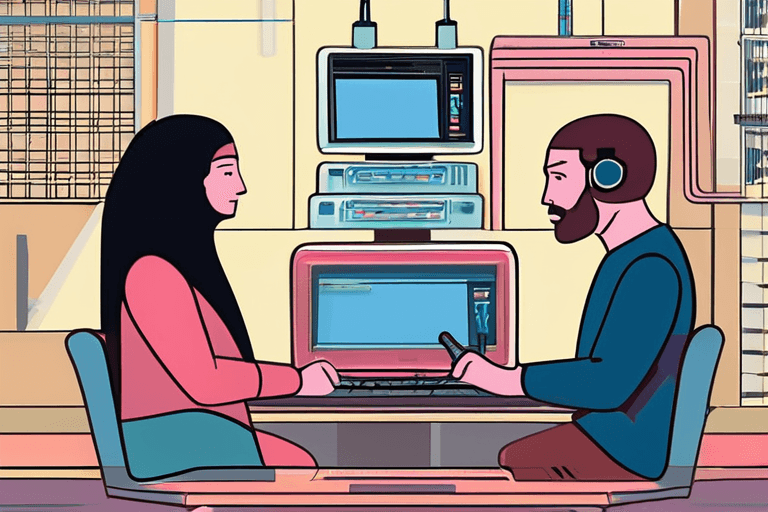
NPR spoke with an Iranian protester who managed to maintain an internet connection, highlighting the challenges and risks associated with accessing the internet under these circumstances. The protester, whose name was withheld for security reasons, described the government's methods for disrupting internet access, including throttling bandwidth and blocking access to popular social media platforms.
A U.S.-based activist is working to provide Starlink terminals to people in Iran, aiming to restore internet access and enable communication. Starlink, a satellite internet constellation operated by SpaceX, offers the potential to bypass government censorship by providing internet access from space. However, the deployment of Starlink terminals in Iran faces logistical and regulatory hurdles.
The Iranian government's internet shutdowns raise concerns about freedom of expression and access to information. These actions are consistent with a broader trend of governments using internet controls to suppress dissent and maintain power. The use of artificial intelligence (AI) plays a role in both the government's censorship efforts and the activists' attempts to circumvent those controls.
AI algorithms are used by the Iranian government to identify and block websites and social media accounts that are critical of the regime. These algorithms can analyze text, images, and videos to detect content that violates government regulations. Conversely, AI is also being used to develop tools that can bypass censorship, such as VPNs and proxy servers. These tools use AI to obfuscate internet traffic and make it more difficult for governments to track and block.
The implications of internet shutdowns extend beyond the immediate suppression of protests. They also have a chilling effect on freedom of expression and can hinder economic activity. In a globalized world, access to the internet is essential for businesses, researchers, and individuals to connect and collaborate.
The situation in Iran highlights the ongoing tension between governments seeking to control information and individuals seeking to access and share it freely. The development of AI technologies is further complicating this dynamic, creating new opportunities for both censorship and circumvention. The long-term impact of these developments on freedom of expression and democracy remains to be seen.
















Discussion
Join the conversation
Be the first to comment