Ubisoft took a major hit this week, announcing the cancellation of six unreleased titles, including a remake of the beloved classic, Prince of Persia: The Sands of Time, and shuttering several studios in a move that sent shockwaves through the gaming world. The news, confirmed by Ubisoft executives on Tuesday, comes as the company grapples with shifting market trends and a need to refocus its development pipeline.
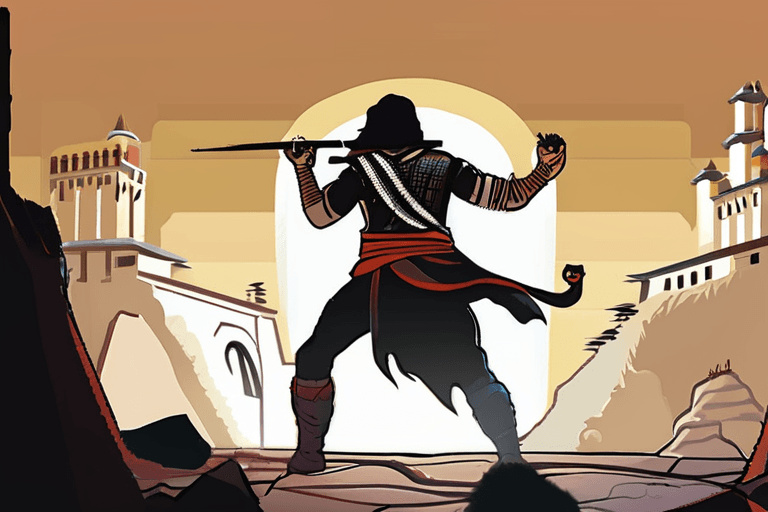
The cancellation of the Prince of Persia remake is particularly stinging for fans who have been eagerly awaiting its return since its initial announcement in 2020. The game, originally slated for a January 2021 release, suffered numerous delays and faced criticism for its visual fidelity in early gameplay trailers. This marks a significant fumble for Ubisoft, reminiscent of the rocky development cycle of Duke Nukem Forever, a game that similarly suffered from years of delays and ultimately failed to meet expectations upon release. "We are committed to delivering high-quality experiences to our players," a Ubisoft spokesperson stated, "and sometimes that means making tough decisions about projects that no longer align with our strategic goals."
While Ubisoft did not specify which studios were being closed, the move is expected to impact development teams across multiple locations. This restructuring mirrors similar cost-cutting measures seen in other major gaming companies recently, as the industry navigates a period of economic uncertainty and increased competition. The company's stock price dipped slightly following the announcement, reflecting investor concerns about the long-term impact of these changes.
The other cancelled titles, while not named, are understood to be a mix of unannounced projects and games in early stages of development. This decision allows Ubisoft to consolidate its resources and focus on its core franchises, such as Assassin's Creed, Far Cry, and Rainbow Six. The upcoming Assassin's Creed Mirage, a return to the series' stealth-focused roots, is seen as a crucial release for the company, aiming to recapture the magic of earlier installments like Assassin's Creed II, which is still considered a high-water mark for the franchise.
Industry analysts suggest that Ubisoft's move is a necessary, albeit painful, step to ensure its future success. "Ubisoft has a strong portfolio of IPs," said Michael Pachter, an analyst at Wedbush Securities. "By streamlining their development efforts, they can focus on delivering higher-quality games and better compete in the current market."
Looking ahead, Ubisoft is betting big on its live service games and its continued expansion into new platforms. The company is actively exploring opportunities in the metaverse and blockchain gaming, although these initiatives have faced mixed reactions from players. The next few months will be critical for Ubisoft as it seeks to regain momentum and reassure both investors and fans that it is on the right track. The pressure is on for their remaining projects to deliver a knockout performance, proving that this strategic reset was a game-winning move.



















Discussion
Join the conversation
Be the first to comment