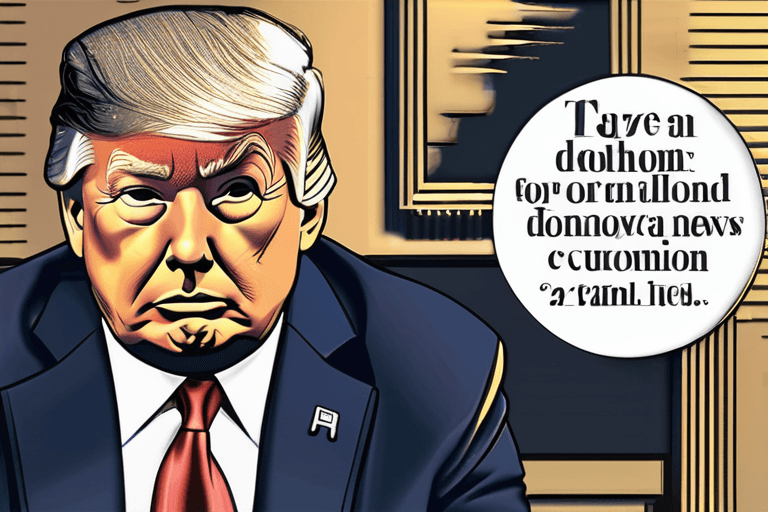
JPMorgan Chase CEO Jamie Dimon warned that U.S. President Donald Trump's proposal to cap credit card interest rates would be "an economic disaster," potentially restricting credit access for a significant portion of the American population. Dimon, speaking at the World Economic Forum in Davos, Switzerland, stated that limiting interest rates to 10%, as Trump suggested on Truth Social earlier this month, would disproportionately impact restaurants, retailers, travel firms, and educational institutions.
Dimon argued that such a drastic cap would effectively cut off credit access for approximately 80% of Americans, who rely on credit cards as a financial safety net. He added that JPMorgan Chase, despite its size, would survive such a policy, implying the burden would fall more heavily on smaller businesses and individual consumers.
Trump's proposal, which surfaced on January 20th, lacked specific details regarding its implementation or legal enforceability. The idea of capping credit card interest rates is not new and has been previously championed by U.S. Senators Bernie Sanders and Elizabeth Warren, reflecting a broader debate in the United States regarding financial regulation and consumer protection. Similar debates on interest rate caps have occurred in various countries, often framed around concerns of predatory lending and financial inclusion. In many European nations, for example, regulations exist to control excessive interest rates and fees on consumer credit products.
The potential impact of Trump's proposal extends beyond the U.S. domestic market. Credit card companies operate globally, and changes in U.S. regulations could influence international lending practices and financial market stability. The global financial community is closely watching the developments, as the U.S. credit card market is one of the largest in the world.
It remains unclear whether Trump will pursue this plan further, and if so, how it would be implemented and enforced. The proposal has already sparked considerable debate among economists, policymakers, and financial industry leaders, raising questions about the balance between consumer protection and the availability of credit.

















Discussion
Join the conversation
Be the first to comment