Nawal Al-Maghafi, a mother in Yemen, endured seven agonizing months of silence, a period punctuated by the gnawing uncertainty of her son's fate. He had vanished, swallowed by the shadows of Yemen's brutal civil war, a conflict that has not only ravaged the landscape but also eroded the very fabric of Yemeni society. Her story, a microcosm of countless others, underscores a grim reality now brought to light: a network of secret prisons allegedly run by the United Arab Emirates (UAE) and its allied forces within Yemen.
Yemen's decade-long civil war is a complex tapestry woven with threads of regional power struggles, sectarian divisions, and humanitarian crisis. The conflict pits the Houthi rebel movement, controlling the north-west, against the internationally recognized Yemeni government, backed by a Saudi Arabia-led coalition. The UAE, initially a key partner in this coalition, played a significant role in the south, ostensibly to combat the Houthis and Al-Qaeda. However, allegations of human rights abuses, including the operation of clandestine detention facilities, have long dogged the UAE's involvement.
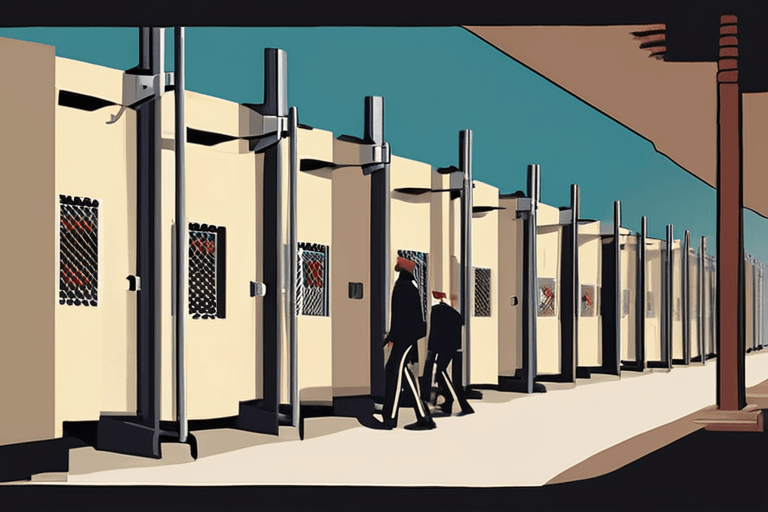
A BBC investigation, led by Senior International Investigations Correspondent Nawal Al-Maghafi and Liam Weir, has now gained access to detention facilities on former UAE military bases, lending credence to these long-standing accusations. The investigation revealed disturbing conditions, including overcrowded cells, some housed within shipping containers offering scant ventilation. Detainees recounted harrowing experiences of beatings and sexual abuse. Scratched into the metal walls of these containers were names and dates, silent testaments to the individuals who had been held captive within.
One former detainee, speaking to the BBC, painted a chilling picture of his ordeal. "They beat us every day," he recounted, his voice trembling with the memory. "They used electric shocks. They sexually abused us. I thought I would die there." His testimony, while difficult to verify independently, aligns with reports from human rights organizations that have documented similar allegations for years.
The UAE has consistently denied operating secret prisons or engaging in human rights abuses in Yemen. While they did not respond to the BBC's specific request for comment, they have previously dismissed similar claims as baseless. However, the BBC's findings add weight to the concerns raised by international bodies such as Amnesty International and Human Rights Watch, who have repeatedly called for independent investigations into these allegations.
The fracturing of the alliance between the Yemeni government and the UAE further complicates the situation. The UAE's withdrawal of forces in early 2020, while ostensibly a strategic redeployment, has left a power vacuum in the south, exacerbating existing tensions and creating new opportunities for exploitation. The Yemeni government, already struggling to maintain control, now faces the added challenge of navigating a complex geopolitical landscape where former allies have become rivals.
The revelations of secret prisons in Yemen resonate far beyond the country's borders. They highlight the ethical dilemmas inherent in international interventions and the potential for even well-intentioned efforts to lead to unintended consequences. The war in Yemen has become a proxy conflict, drawing in regional powers and exacerbating existing tensions in the Middle East. The allegations against the UAE, a key player in the region, raise questions about accountability and the responsibility of states to uphold human rights, even in the context of armed conflict.
"The international community has a responsibility to investigate these allegations thoroughly and to hold those responsible accountable," says Radhya Al-Mutawakel, chairperson of Mwatana Organization for Human Rights, a Yemeni organization that has documented human rights abuses by all parties to the conflict. "The victims of these abuses deserve justice, and the international community must ensure that their voices are heard."
As Yemen continues to grapple with the devastating consequences of war, the revelations of secret prisons serve as a stark reminder of the human cost of conflict. The stories of individuals like Nawal Al-Maghafi and the former detainee offer a glimpse into the suffering endured by countless Yemenis, and underscore the urgent need for a lasting peace that respects human rights and ensures accountability for past abuses. The future of Yemen hinges on the ability of its people, and the international community, to learn from the mistakes of the past and to build a more just and equitable society.



















Discussion
Join the conversation
Be the first to comment