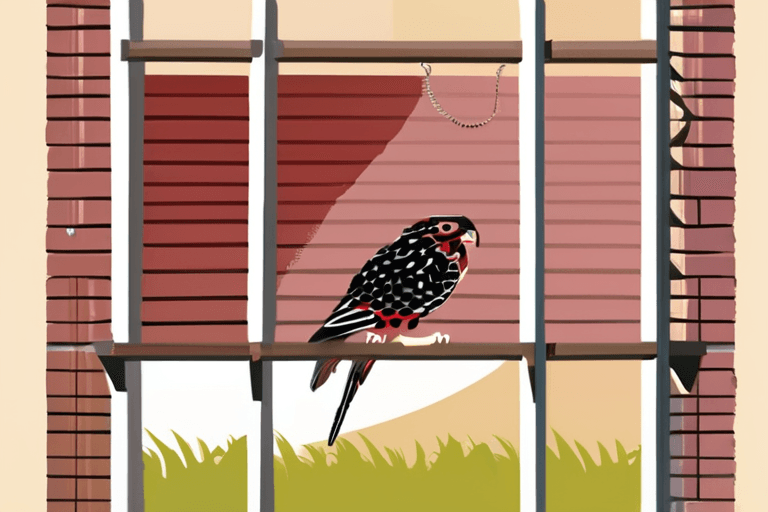
American kestrels, the smallest falcon species in North America, are playing a vital role in protecting cherry crops in northern Michigan, according to new research. For decades, cherry farmers in the region have been working to attract the raptors to their orchards by providing nesting boxes. The farmers have long understood that the kestrels help control populations of mice, voles, and songbirds that can damage unharvested fruit.
A study published in November in the Journal of Applied Ecology suggests the kestrels provide an additional benefit: reducing the risk of food-borne illnesses. The research indicates that by preying on or scaring away small birds that carry harmful pathogens, the falcons help keep those pathogens off of cherries destined for consumers. Orchards with kestrel nesting boxes saw a lower presence of cherry-eating birds compared to orchards without the boxes, the study found.
Every spring, the kestrels return to northern Michigan to nest. They spend their days hunting for small creatures in the region's many cherry orchards. This symbiotic relationship between the farmers and the birds has been cultivated over many years. Farmers provide nesting sites, and the kestrels, in turn, help protect the crops. The presence of these raptors limits crop damage caused by pests and, as the new research shows, potentially reduces the spread of food-borne illnesses.



















Discussion
Join the conversation
Be the first to comment