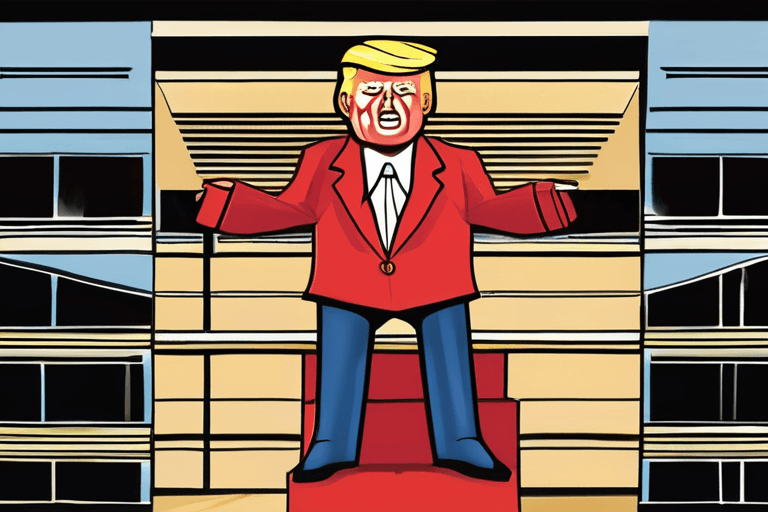
President Donald Trump's actions during his first year back in the White House have sparked debate regarding the balance of power between the executive branch and other branches of government. Critics contend that Trump has expanded executive power and eroded democratic norms in ways that are unprecedented in U.S. history, potentially pushing the country toward authoritarianism.
These concerns stem from actions such as the firing of inspectors general, the sidelining of Congress, and the president's attacks on the media, all of which critics say are attempts to control information and circumvent traditional checks and balances. According to NPR staff, these actions began immediately after Trump was sworn in.
Supporters of the president argue that his actions are within the bounds of the Constitution and reflect the mandate he received from voters to enact significant changes. They maintain that the Constitution allows for a "muscular presidency" capable of decisive action.
Scholars of democracy have voiced concerns about the long-term implications of Trump's actions. They argue that the erosion of democratic norms could weaken the foundations of American government and make it more susceptible to abuse of power.
Despite maintaining popularity with his base, Trump's overall job approval rating has declined. Critics hope that this waning popularity, coupled with the upcoming midterm elections, will provide a stronger check on the president's power. The midterm elections are viewed by many as an opportunity for voters to express their views on the direction of the country and potentially shift the balance of power in Congress.



















Discussion
Join the conversation
Be the first to comment