Ubisoft took a major hit this week, announcing the cancellation of six unreleased titles, including a remake of the beloved "Prince of Persia: The Sands of Time," and the closure of several studios as part of a restructuring effort. The move sent shockwaves through the gaming community, reminiscent of EA's shuttering of Visceral Games in 2017 after a disappointing showing with their "Star Wars" project, "Ragtag."
The French gaming giant, known for franchises like "Assassin's Creed" and "Far Cry," cited increasingly challenging market conditions and a need to focus on its core brands as the primary reasons for the drastic measures. This decision follows a period of mixed performance, with recent releases failing to achieve the critical acclaim and commercial success the company had hoped for. "We are adapting our organization to reflect the changing landscape of the video game industry," said Ubisoft CEO Yves Guillemot in a press release. "This includes streamlining our operations and focusing our resources on the games and experiences that will resonate most with players."
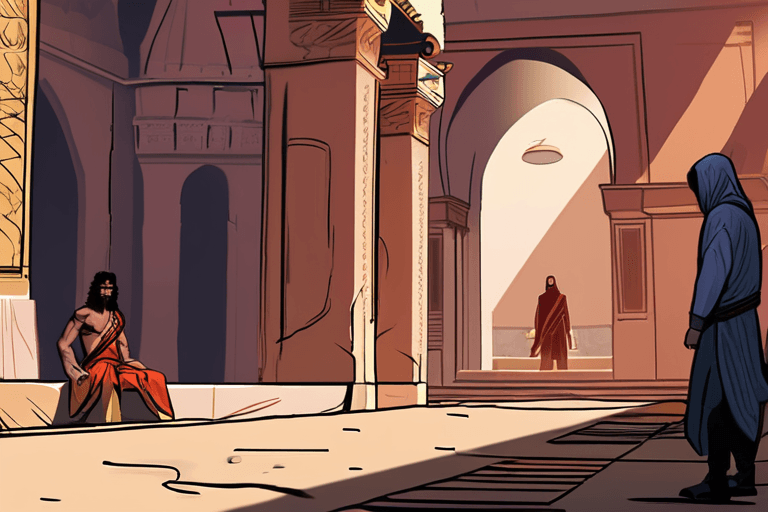
The "Prince of Persia: The Sands of Time" remake, originally announced in 2020, was intended to be a triumphant return for the classic franchise, much like Capcom's successful revivals of "Resident Evil 2" and "Resident Evil 3." However, the project faced numerous delays and setbacks, ultimately failing to meet the company's quality standards. Initial gameplay footage received heavy criticism from fans, who felt the visuals and animations were not up to par with modern expectations. "The decision to cancel 'Prince of Persia' was not taken lightly," Guillemot stated. "We believe it is the right course of action to ensure the long-term success of the franchise."
The other canceled titles remain largely shrouded in mystery, with Ubisoft declining to provide specific details. However, industry analysts speculate that they were likely projects in early stages of development that did not align with the company's revised strategic priorities. The studio closures, while not explicitly named, are expected to impact several smaller Ubisoft locations, potentially leading to significant job losses. This echoes the industry-wide trend of consolidation, as companies grapple with rising development costs and increased competition.
The news has sparked concerns among investors and industry observers about Ubisoft's future direction. The company's stock price experienced a noticeable dip following the announcement, reflecting the market's uncertainty. Some analysts believe that Ubisoft may be vulnerable to a potential acquisition, while others remain optimistic that the restructuring will ultimately strengthen the company's position.
Looking ahead, Ubisoft is pinning its hopes on upcoming releases such as "Assassin's Creed Mirage" and "Avatar: Frontiers of Pandora" to revitalize its fortunes. The company is also doubling down on its live service games, aiming to create long-term engagement and revenue streams. The success of these initiatives will be crucial in determining whether Ubisoft can navigate the current challenges and reclaim its position as a leading force in the gaming industry. The next earnings call will be a key indicator of how the market perceives these changes.





















Discussion
Join the conversation
Be the first to comment