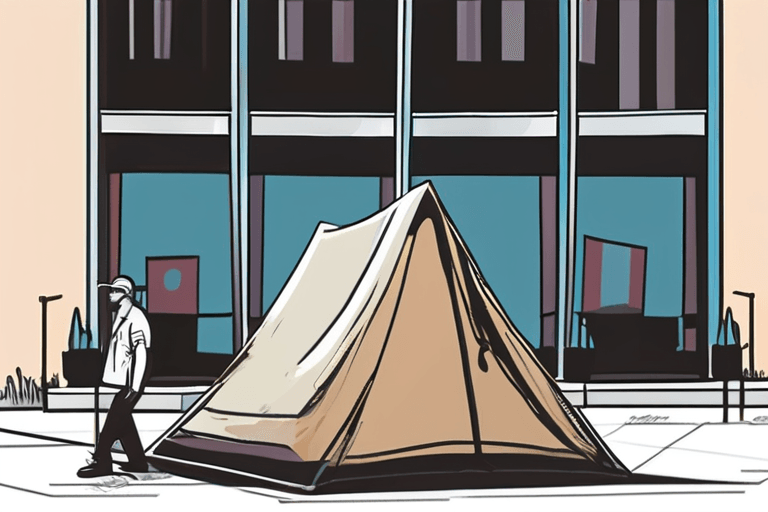
Atlanta-based nonprofits Partners for HOME and SafeHouse Outreach are facing a lawsuit alleging negligence in the death of a homeless man, potentially exposing the organizations to significant financial and reputational damage. The lawsuit, filed Friday, claims the nonprofits are partly responsible for the death of the man, who was crushed when a bulldozer cleared his tent during an encampment sweep in January 2023.
The suit alleges that employees failed to verify if the 46-year-old man was inside his tent before deploying the bulldozer. While the specific financial damages sought were not disclosed, legal experts suggest that settlements in wrongful death cases involving negligence can range from hundreds of thousands to millions of dollars, depending on the circumstances and the jurisdiction. This potential financial burden could significantly impact the operational budgets of both Partners for HOME and SafeHouse Outreach, diverting funds away from their core missions of providing services to the homeless population.
The lawsuit arrives at a time when the market for homeless services is facing increased scrutiny and pressure. Atlanta, like many major cities, is grappling with a growing homelessness crisis, straining resources and demanding greater accountability from organizations tasked with addressing the issue. Partners for HOME, as the city's lead agency on homelessness, receives significant public funding and relies on donations to operate. SafeHouse Outreach also depends on charitable contributions to provide its services. Negative publicity stemming from the lawsuit could erode public trust and lead to a decline in donations, further impacting their ability to serve the community.
Partners for HOME, led by CEO Cathryn Vassell, coordinates a network of service providers and manages a budget of tens of millions of dollars annually. SafeHouse Outreach, while smaller in scale, plays a critical role in providing direct services such as meals, shelter, and job training. Both organizations operate in a competitive landscape, vying for funding and resources to address the complex needs of the homeless population.
The outcome of the lawsuit could set a precedent for future cases involving homeless encampment sweeps and the responsibilities of organizations involved. It may also lead to increased regulatory oversight and stricter protocols for clearing encampments, potentially increasing operational costs for nonprofits and government agencies. The case highlights the challenges and risks associated with addressing homelessness in urban environments and underscores the need for careful planning and execution to ensure the safety and well-being of vulnerable populations.



















Discussion
Join the conversation
Be the first to comment