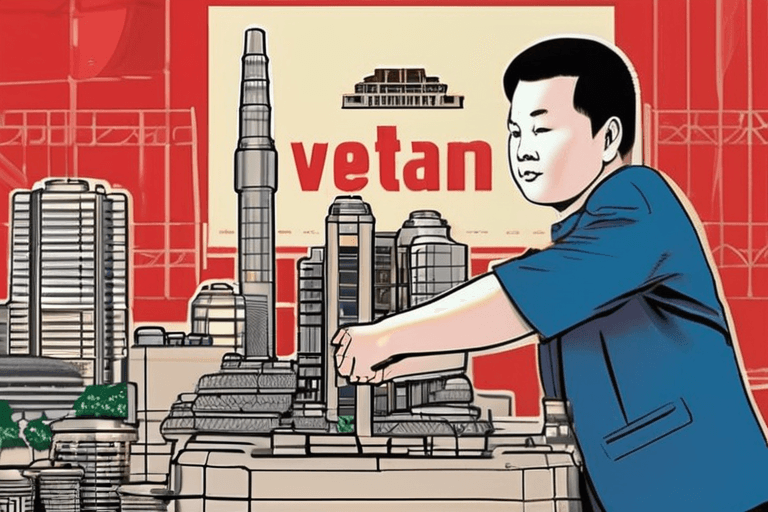
To Lam was re-elected General Secretary of Vietnam's ruling Communist Party on Friday, signaling a potential shift in the country's leadership structure and economic ambitions. The reappointment, decided unanimously by the 180-member Central Committee at the conclusion of the National Party Congress in Hanoi, positions Lam to potentially become the most powerful figure in Vietnam in decades, according to analysts.
While no formal announcement was made regarding the presidency, speculation is growing that Lam will assume the role, breaking from the country's long-held tradition of collective leadership. Le Hong Hiep, a fellow at Singapore's ISEAS-Yusof Ishak Institute, stated that the composition of the newly elected 19-member Politburo, the party's top decision-making body, "strongly suggests" Lam will further concentrate his power with the presidency.
Lam, 68, pledged to accelerate economic growth during the National Party Congress, which ran from Monday through Friday. The country is reportedly targeting an ambitious 10% growth rate, a figure that would place Vietnam among the fastest-growing economies globally. This economic focus comes as Vietnam continues to navigate its role in international trade and manufacturing, particularly as companies seek alternatives to China amidst ongoing trade tensions.
Vietnam's political system is unique, operating under a collective leadership model designed to prevent the concentration of power in a single individual. The General Secretary of the Communist Party typically holds the most influential position, but power is generally distributed among the President, Prime Minister, and Chairman of the National Assembly. A consolidation of power under Lam would represent a significant departure from this established norm.
The potential shift in leadership comes at a crucial time for Vietnam. The country has emerged as a key player in Southeast Asia, attracting foreign investment and experiencing rapid economic development. Its strategic location and growing manufacturing sector have made it an increasingly important partner for countries around the world. The concentration of power under a single leader could streamline decision-making processes and potentially accelerate economic reforms, but it also raises questions about the long-term stability and balance of power within the Vietnamese government. The international community will be closely watching how this situation unfolds and its potential impact on Vietnam's economic and political trajectory.
















Discussion
Join the conversation
Be the first to comment