Researchers have discovered the first documented instance of tool use in cattle, observed in Austria, adding a new dimension to our understanding of animal cognition. Simultaneously, a study revealed that sending babies to nursery significantly alters their gut microbiomes, highlighting the complex interplay between environment and infant health.
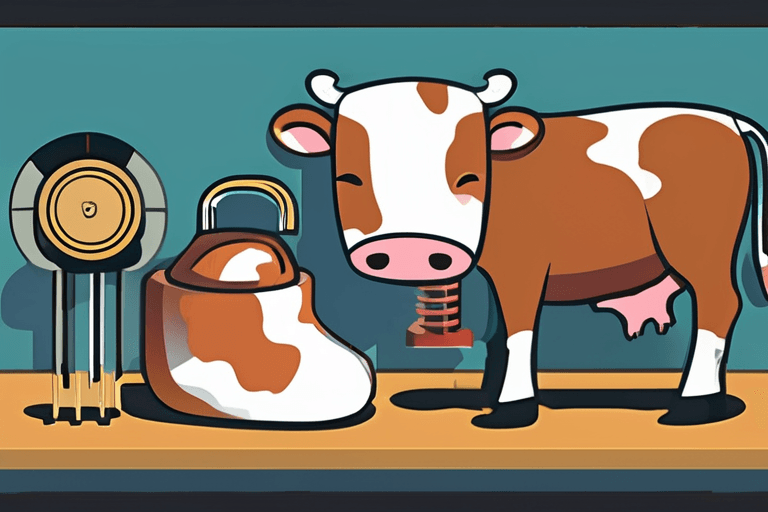
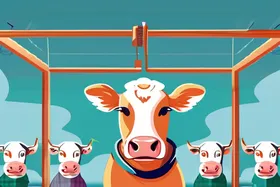
The Austrian cow was observed using a fence post to scratch an itch on its head, demonstrating a level of problem-solving previously unconfirmed in cattle. Scientists documented the behavior, noting the cow's deliberate selection and manipulation of the tool. "This observation challenges our assumptions about the cognitive capabilities of livestock," stated a researcher involved in the study, published in Science. The finding suggests that cattle may possess a greater capacity for learning and adaptation than previously recognized.
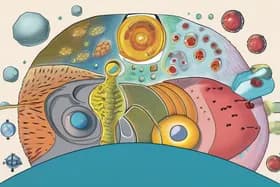
In a separate study, researchers found that infants attending nursery experience a significant shift in their gut microbiome composition compared to those cared for at home. The research, published in Nature, tracked the microbiome development of infants and correlated it with their childcare environment. The study revealed that nursery attendance promotes the transmission of different microbial strains, leading to a less diverse microbiome in early life. "The nursery environment acts as a hub for microbial exchange," explained the lead author.
The implications of these findings are far-reaching. Understanding animal cognition can inform animal welfare practices and potentially lead to innovative approaches in livestock management. The microbiome research underscores the importance of early-life microbial exposure on long-term health. Further research is needed to determine the long-term effects of altered infant microbiomes due to nursery attendance. Scientists are now investigating strategies to promote healthy microbiome development in infants, regardless of their childcare setting.















Discussion
Join the conversation
Be the first to comment