More than 200 million people across the United States are bracing for a severe winter storm expected to bring heavy snow, sleet, freezing rain, and dangerously low temperatures from the Southern Rockies to New England through Monday, prompting officials to urge residents to "get warm, get safe and stay there." The National Weather Service (NWS) issued advisories warning of widespread travel disruptions, prolonged power outages, and extensive tree damage, with frigid temperatures and gusty winds exacerbating the situation well into next week, hindering recovery efforts.
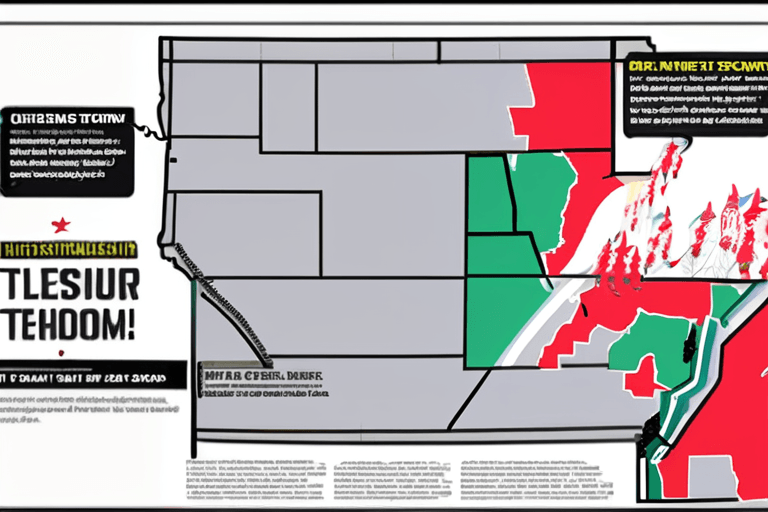
The NWS forecast map depicted a significant portion of the eastern two-thirds of the country under winter storm, ice, or extreme cold warnings. The agency predicted that "frigid temperatures, gusty winds, and dangerous wind chills will expand from the north-central US to the Southern Plains, Mississippi Valley, and Midwest." Several governors, stretching from Texas to the Northeast, have declared states of emergency, mobilizing resources and urging residents to take precautions.
The scale of the storm raises concerns about potential disruptions to critical infrastructure, mirroring challenges faced by other nations during extreme weather events. In Europe, for example, severe winter storms have previously led to widespread power outages and transportation gridlock, highlighting the vulnerability of modern societies to such natural disasters. The economic impact of these events can be significant, affecting supply chains and disrupting daily life, as seen during past cold snaps in East Asia, where energy demand surged and prices spiked.
The U.S. storm also underscores the increasing frequency and intensity of extreme weather events globally, a trend scientists attribute to climate change. Rising global temperatures are altering weather patterns, leading to more volatile and unpredictable conditions, including more intense winter storms in some regions. This phenomenon is not unique to the U.S., with countries around the world experiencing increasingly severe weather events, from heatwaves in India to floods in Pakistan, demanding greater international cooperation in climate mitigation and adaptation efforts.
As the storm progresses, emergency management agencies are coordinating efforts to provide shelter, distribute resources, and restore power. The immediate focus remains on ensuring public safety and minimizing the impact of the storm, while longer-term strategies are being considered to enhance infrastructure resilience and prepare for future extreme weather events. The situation is being closely monitored, and updates will be provided as the storm develops.




















Discussion
Join the conversation
Be the first to comment