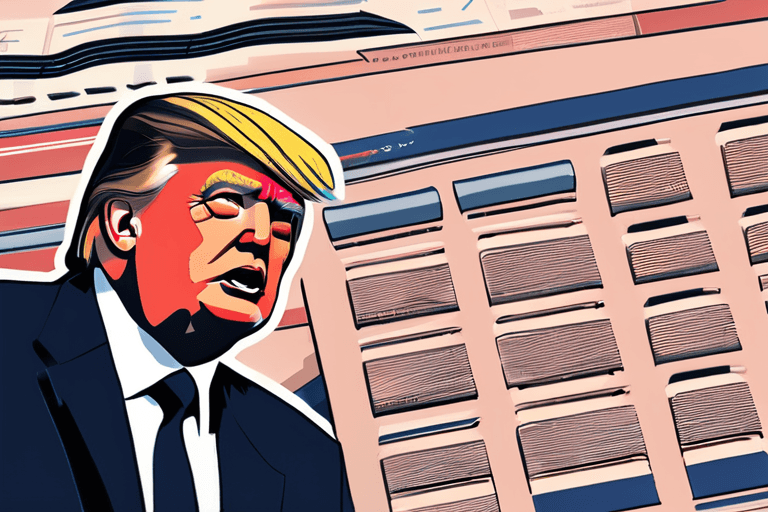
The world watched, jaws agape, on a Saturday morning in January 2026 as former President Donald Trump declared the capture of Venezuelan President Nicolás Maduro. The announcement, delivered with characteristic bluntness, revealed a military operation involving strikes on Venezuelan soil and the extraction of Maduro to a US military vessel. But how did the relationship between the US and Venezuela deteriorate to the point of military intervention? The answer lies in a complex web of political maneuvering, economic pressures, and escalating tensions that had been simmering for years.
The seeds of this dramatic event were sown long before the strikes. For years, the US had voiced strong disapproval of Maduro's socialist regime, citing human rights abuses, corruption, and the erosion of democratic institutions. Economic sanctions, initially targeted at specific individuals, gradually expanded to encompass entire sectors of the Venezuelan economy, exacerbating the country's already dire economic situation. The US, along with numerous other nations, recognized opposition leader Juan Guaidó as the legitimate interim president of Venezuela, further isolating Maduro's government.
The situation escalated throughout 2025. Accusations of election rigging, crackdowns on dissent, and the deepening humanitarian crisis fueled further international condemnation. The US ratcheted up the pressure, hinting at "all options being on the table," a phrase often interpreted as a veiled threat of military intervention. While direct military action seemed improbable, given the potential for regional instability and international backlash, the rhetoric created a climate of heightened tension and uncertainty.
"The situation in Venezuela had become a powder keg," explained Dr. Anya Sharma, a professor of international relations at Georgetown University. "The US, feeling increasingly frustrated with the lack of progress through diplomatic and economic means, may have seen the capture of Maduro as a way to force a change in leadership and stabilize the region."
The capture of Maduro, while shocking, was not entirely unprecedented. The US has a history of intervening in Latin American affairs, often citing national security interests or the promotion of democracy. However, the scale and directness of this operation were remarkable, raising questions about the future of US foreign policy and the limits of interventionism.
The long-term implications of this event remain to be seen. Will it lead to a more stable and democratic Venezuela, or will it further destabilize the region and embolden authoritarian regimes elsewhere? The answer, experts say, depends on the actions of the US and the international community in the coming months and years. The world is watching, waiting to see what comes next.

















Discussion
Join the conversation
Be the first to comment