Internal disagreements within the Taliban leadership in Afghanistan are threatening the stability of the Islamic Emirate, according to a leaked audio clip obtained by the BBC. The clip features the Taliban's supreme leader, Hibatullah Akhundzada, warning of internal divisions that could lead to the collapse of the Taliban's government.
Akhundzada's speech, delivered to Taliban members at a madrassa in Kandahar in January 2025, fueled existing rumors of a rift at the highest levels of the organization. He stated that disagreements among "insiders in the government" posed a significant threat to the Taliban's control. "As a result of these divisions, the emirate will collapse and end," Akhundzada warned.
The emergence of this audio confirms reports of disagreements between key figures within the Taliban, including ministers such as Sirajuddin Haqqani and Mohammad Yaqoob, who have reportedly questioned some of Akhundzada's decisions. While Akhundzada's spokesman has stated that he holds "absolute power," the leaked audio suggests that his authority is being challenged from within.
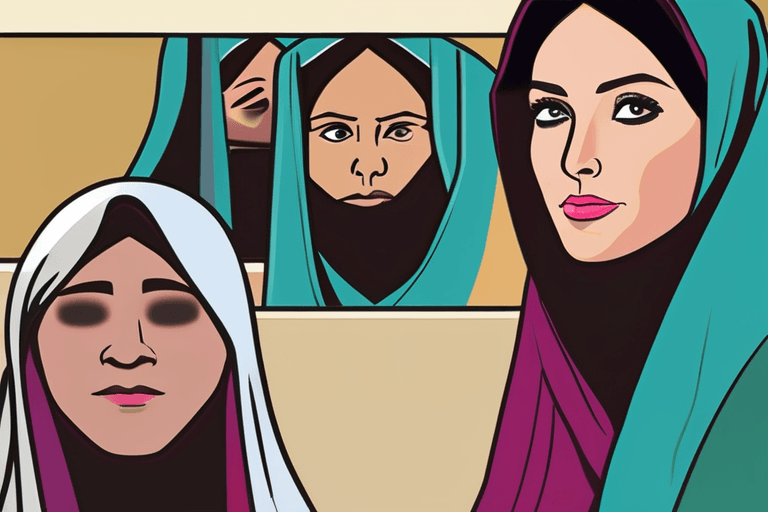
This internal conflict unfolds against a backdrop of significant challenges for Afghan women. Since the Taliban seized power in 2021, women have faced increasing restrictions on their rights, including limitations on education, employment, and freedom of movement. These restrictions have severely impacted women's ability to contribute to Afghan society and have raised concerns internationally about the future of women's rights in the country. Despite these challenges, Afghan women continue to demonstrate resilience and courage, advocating for their rights and working to support their communities. Many women-led organizations are working tirelessly to provide education, healthcare, and economic opportunities for women and girls, often operating in secret due to the restrictions imposed by the Taliban.
The Taliban's internal divisions could further complicate the situation for Afghan women. A weakened or fractured Taliban regime may create opportunities for greater autonomy and advocacy for women's rights, but it could also lead to increased instability and violence, further endangering women and girls. The international community continues to grapple with how to engage with the Taliban while also advocating for the rights of Afghan women. Many organizations are focusing on providing humanitarian aid and supporting women-led initiatives, while also calling on the Taliban to respect women's rights and allow them to participate fully in society. The future of Afghanistan, and the role of women within it, remains uncertain as the Taliban navigates internal conflicts and external pressures.
















Discussion
Join the conversation
Be the first to comment