The tantalizing aroma of kimchi jjigae simmering alongside the delicate fragrance of freshly baked madeleines – a clash of culinary titans that captivated global audiences – is set to return to screens. Netflix's Korean cooking competition, "Culinary Class Wars," is back for a third season, but with a twist that promises to ignite even fiercer rivalries: team-based battles.
For two seasons, "Culinary Class Wars" has been a cultural phenomenon, not just in South Korea, but across the globe. Its success lies in its ability to tap into the universal love of food while showcasing the vibrant and often fiercely competitive world of Korean cuisine. From humble street food vendors to Michelin-starred chefs, the show has provided a platform for culinary artists to demonstrate their skills and passion. But beyond the perfectly plated dishes and nail-biting eliminations, the show has offered a glimpse into the deep-seated traditions and evolving trends of Korean gastronomy.
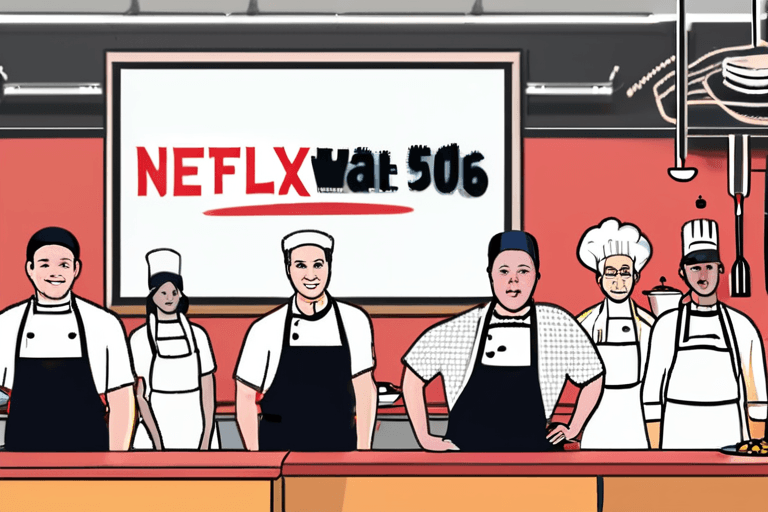
Now, the individual spotlight shifts to encompass the entire kitchen. Season 3 will see teams of four representing established restaurants vying for the coveted title. This format change reflects a growing trend in the culinary world, where collaboration and teamwork are increasingly valued over individual brilliance. The pressure will no longer solely rest on the shoulders of a single chef, but will be distributed across the entire team, testing their ability to work together under intense pressure.
"This new format allows us to explore the dynamics within a professional kitchen," explains a producer from Netflix Korea. "It's not just about individual skill anymore. It's about how well a team can communicate, strategize, and execute a cohesive culinary vision. We'll see how different restaurant cultures clash and how teams overcome challenges together."
The shift also mirrors the realities of the restaurant industry, where success hinges on the collective effort of the entire staff, from the head chef to the dishwasher. "A restaurant is like an orchestra," says renowned food critic, Park Ji-hoon. "Each member plays a crucial role, and the harmony of their performance determines the overall quality. This new format of 'Culinary Class Wars' will finally showcase that intricate dance."
The application process, conducted through Netflix Korea's social media channels, has already generated significant buzz, with restaurants from across the country eager to prove their mettle. Eligibility requirements remain stringent, ensuring that only the most dedicated and talented culinary teams make the cut.
The move to a team-based format also opens up exciting possibilities for exploring diverse culinary styles and regional specialties. Imagine a team specializing in traditional royal cuisine battling against a team pushing the boundaries of modern Korean fusion. The potential for innovation and creativity is immense.
As "Culinary Class Wars" gears up for its third season, the world watches with bated breath. Will the team-based format elevate the competition to new heights? Will it foster greater camaraderie or intensify the rivalries? One thing is certain: the heat is on, and the culinary battleground is set for another season of delicious drama.
















Discussion
Join the conversation
Be the first to comment