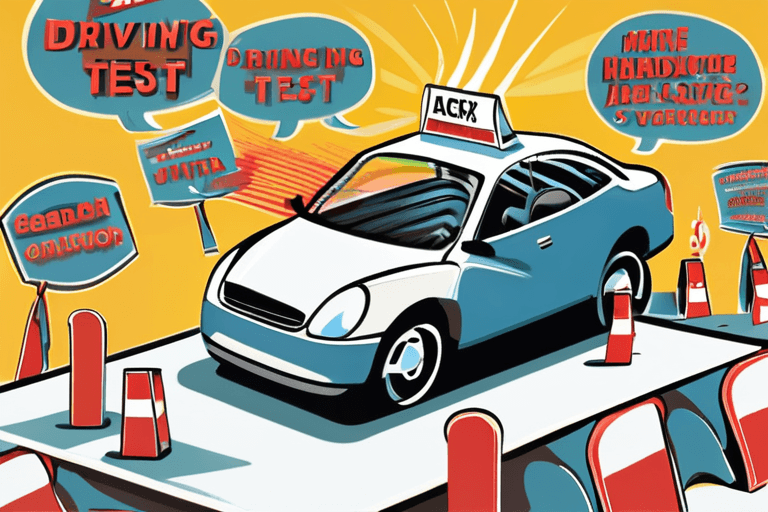
Cheating on driving tests in England, Scotland, and Wales surged nearly 50 percent in the past year, driven by the increased use of Bluetooth headsets and impersonators. Data obtained through a freedom of information request revealed 2,844 attempts to cheat on driving tests in the year leading up to September 2025, a 47 percent increase compared to the previous year, according to the Driving and Vehicle Standards Agency (DVSA).
Of these attempts, over a third, totaling 1,113 cases, involved the use of technology, such as Bluetooth earpieces connected to concealed phones, primarily during theory tests. An additional 1,084 attempts involved individuals impersonating test candidates. Nearly 100 offenders faced prosecution for either cheating themselves or impersonating others.
The rise in cheating coincides with a global trend of increased reliance on technology in education and testing, raising concerns about the integrity of assessment processes. While specific data on driving test cheating in other countries is not readily available, academic dishonesty, facilitated by technology, has been reported in various educational settings worldwide. In some regions, cultural pressures to succeed academically or professionally may contribute to the temptation to cheat.
Industry leaders attribute the increase in cheating to a nationwide shortage of driving tests and a growing desperation among candidates to pass. The DVSA, however, also pointed to a general rise in cheating and improved detection methods as contributing factors. The shortage of driving tests is not unique to the UK; many countries face similar challenges due to factors such as examiner shortages, increased demand, and backlogs caused by events like the COVID-19 pandemic. This scarcity can create a black market for test slots and incentivize desperate measures to pass.
The DVSA stated that it is actively working to combat cheating through enhanced detection methods and stricter penalties. These measures include investing in technology to detect electronic devices and increasing collaboration with law enforcement to prosecute offenders. The agency also emphasized the importance of ethical conduct and the potential dangers of unqualified drivers on the road. The Press Association News Agency originally obtained the freedom of information data.

















Discussion
Join the conversation
Be the first to comment