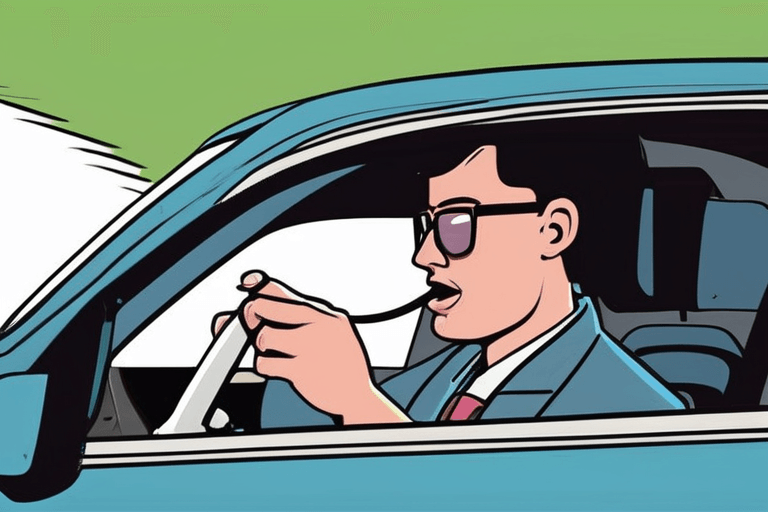
Cheating during driving tests in England, Scotland, and Wales surged nearly 50 percent in the past year, driven by the use of Bluetooth headsets and impersonators, according to new figures. Data obtained through a freedom of information request from the Driving and Vehicle Standards Agency (DVSA) revealed 2,844 attempts to cheat during driving tests in the year leading up to September 2025, a 47 percent increase compared to the previous year.
Of these attempts, over a third, specifically 1,113 cases, involved the use of technology, such as earpieces connected via Bluetooth to concealed phones, to cheat on theory tests. Additionally, there were 1,084 instances of individuals attempting to have others impersonate test-takers. Nearly 100 offenders faced prosecution for either attempting to cheat or for impersonating driving test candidates.
The rise in cheating coincides with a global phenomenon of increasing reliance on technology in education and testing, raising concerns about academic integrity worldwide. While the DVSA attributed the increase to a general rise in cheating and improved detection methods, industry leaders pointed to a nationwide shortage of tests and a growing desperation among drivers to pass as contributing factors. This shortage mirrors similar backlogs in driver testing seen in other nations, particularly following disruptions caused by the COVID-19 pandemic.
The use of impersonators highlights a cultural pressure to obtain driving licenses, which are often viewed as essential for employment and social mobility. In some countries, driving licenses are even considered a primary form of identification, making the stakes even higher. The DVSA's efforts to combat cheating reflect a broader international trend of regulatory bodies grappling with technological advancements that can be exploited to circumvent established testing procedures.
The Press Association News Agency, which filed the freedom of information request, noted the figures underscore the need for continued vigilance and investment in detection technologies. The DVSA has not yet announced specific measures to address the surge in cheating, but is expected to review its testing protocols and explore enhanced security measures in the coming months.


















Discussion
Join the conversation
Be the first to comment