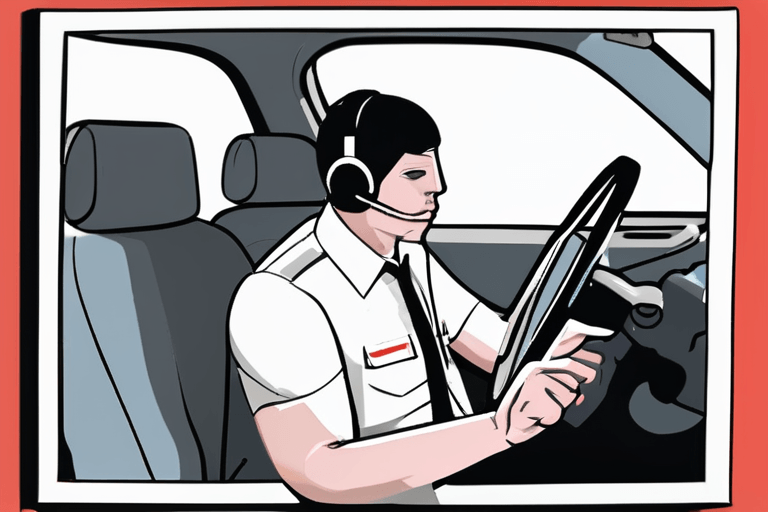
Cases of cheating on driving tests in England, Scotland, and Wales surged nearly 50 percent in the past year, according to new data. The Driving and Vehicle Standards Agency (DVSA) data, obtained through a freedom of information request, revealed a variety of methods, including the use of Bluetooth headsets in over 1,100 instances.
The Press Association News Agency reported that there were 2,844 attempts to cheat during driving tests in the year leading up to September 2025, a 47 percent increase from the previous year. More than a third of these attempts, specifically 1,113, involved technology such as earpieces connected via Bluetooth to concealed phones, primarily during theory tests. Additionally, there were 1,084 attempts to have someone else impersonate the test-taker. Nearly 100 individuals faced prosecution for either attempting to cheat or for impersonating candidates.
While the DVSA attributed the rise to a general increase in cheating and improved detection methods, industry leaders pointed to a nationwide shortage of tests and a growing desperation among drivers to pass. This shortage mirrors similar challenges faced in other countries with rapidly growing urban populations and increasing demand for personal transportation. In some Asian nations, for example, long waiting lists for driving tests have fueled corruption and the sale of fraudulent licenses.
The use of technology to cheat on driving tests is not unique to the UK. Similar incidents have been reported in various countries, highlighting the global challenge of maintaining the integrity of driver licensing systems. In some regions, authorities have responded by implementing stricter surveillance measures and employing advanced technology to detect cheating attempts. Cultural factors also play a role, with varying levels of social acceptance of dishonesty influencing the prevalence of cheating.
The DVSA has stated that it is committed to tackling the issue and is working to improve detection methods and increase penalties for those caught cheating. The agency is also collaborating with international counterparts to share best practices and develop strategies to combat fraud in driver testing. The current status suggests an ongoing effort to balance the need for efficient driver licensing with the imperative of ensuring road safety through fair and reliable testing procedures.

















Discussion
Join the conversation
Be the first to comment