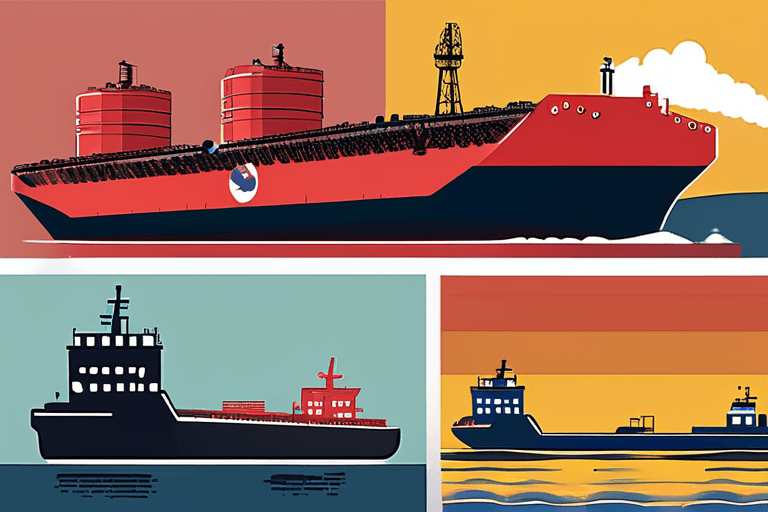
The apprehension of the Sagitta is the latest move by the US to tighten its grip on Venezuelan oil exports, a key source of revenue for the Nicolás Maduro government. The US has imposed sanctions aimed at preventing the Maduro regime from accessing oil revenue, which Washington accuses of being used to fund corruption and human rights abuses.
Venezuela, a founding member of OPEC, possesses the world's largest proven oil reserves. However, its oil production has plummeted in recent years due to mismanagement, corruption, and the impact of US sanctions. The country's economic crisis has led to widespread poverty, hyperinflation, and a mass exodus of Venezuelans seeking refuge in neighboring countries and beyond.
The US sanctions have been widely condemned by the Maduro government and its allies, who argue that they are a form of economic warfare that is harming the Venezuelan people. Critics of the sanctions also point out that they have exacerbated the humanitarian crisis in Venezuela, making it more difficult for the country to import essential goods such as food and medicine.
The US maintains that the sanctions are necessary to pressure the Maduro government to hold free and fair elections and to restore democracy in Venezuela. The Trump administration has recognized opposition leader Juan Guaidó as the legitimate interim president of Venezuela, a move that has been supported by many countries in the Americas and Europe.
The seizure of the Sagitta is likely to further escalate tensions between the US and Venezuela. The Maduro government has vowed to resist what it calls US aggression and to continue exporting its oil despite the sanctions. The situation remains volatile, with no clear resolution in sight. The international community remains divided on how to address the crisis in Venezuela, with some countries supporting the US sanctions and others calling for dialogue and a negotiated solution.



















Discussion
Join the conversation
Be the first to comment