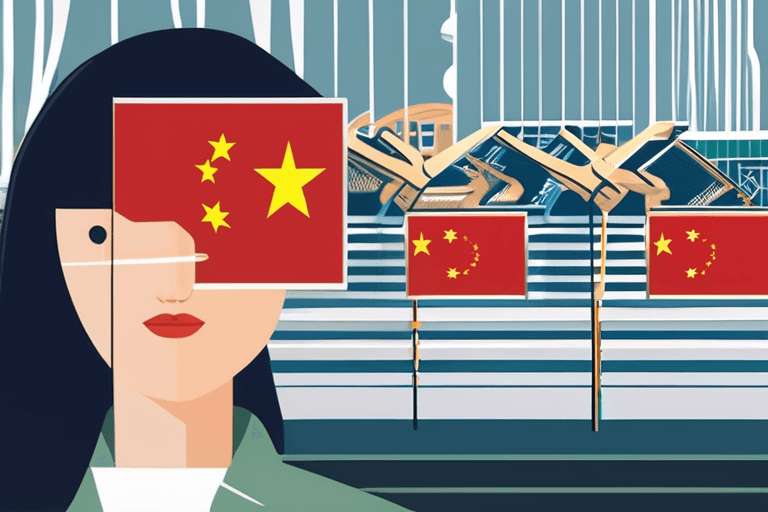
China significantly expanded its global influence in 2025 through the export of its cultural products, including movies, video games, and toys, marking a shift in its international power dynamic. This surge in popularity of Chinese entertainment and consumer goods occurred despite, and in some ways because of, heightened economic tensions with the United States.
The success of Chinese cultural exports like the movie "Nhe Zha 2" and the video game "Black Myth: Wukong," along with the widespread appeal of toys like Labubu, demonstrated China's growing soft power, according to a report by Today, Explained. Don Weinland, a China business and finance editor for The Economist based in Shanghai, explained that this cultural phenomenon contributed to China's increasing economic leverage over the U.S.
The rise of China's soft power came after a period of increased trade friction with the U.S. under President Donald Trump, who imposed tariffs and restrictions on chip exports in an attempt to curb China's economic growth. However, these measures appeared to have had limited impact, as China's economy continued to thrive, fueled in part by the global demand for its cultural products.
The international appeal of Chinese cultural exports reflects a broader trend of globalization and the increasing interconnectedness of economies and cultures. While the U.S. has historically been a dominant force in global entertainment, China's growing cultural influence suggests a shift in the balance of power. The long-term implications of this shift remain to be seen, but it is clear that China is now a major player in the global cultural landscape.

















Discussion
Join the conversation
Be the first to comment