Funding cuts in science research, as highlighted in a recent Nature report (Nature 645, 298-300; 2025), are intensifying the need for effective science communication. This pressure creates a market opportunity for innovative approaches, particularly those leveraging art-science collaborations.
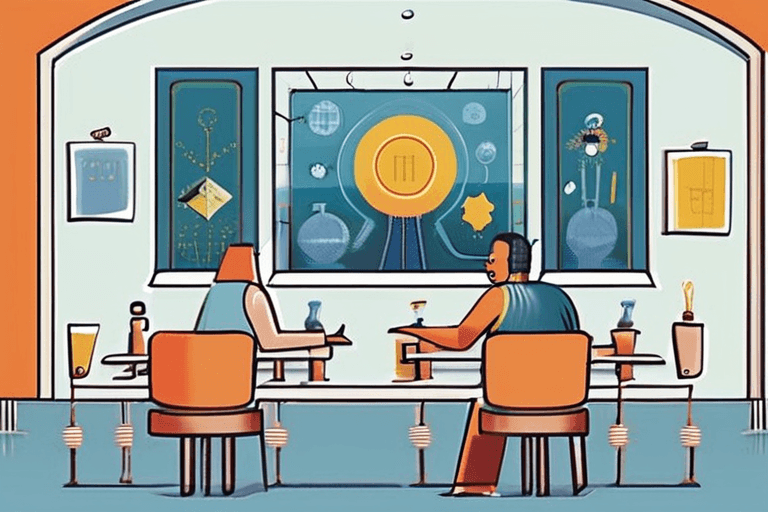
The traditional model of science communication, often relying on academic publications and technical reports, struggles to reach a broad audience. This communication gap can translate into decreased public support and, consequently, reduced funding. Art-science collaborations, however, offer a more engaging and accessible avenue for conveying complex scientific concepts. While the exact market size for art-science collaborations is difficult to quantify, the increasing demand for public engagement in science suggests a growing potential. A Nature article (Nature 649, 827; 2026) underscores the value of these collaborations in bridging the gap between scientists and the public.
The impact of these collaborations extends beyond public perception. By making science more relatable and understandable, art-science initiatives can foster innovation and drive economic growth. For example, a clearer public understanding of AI concepts, facilitated through artistic representations, can lead to increased adoption of AI technologies across various sectors. This adoption, in turn, can boost productivity and create new business opportunities.
The scientific community has long recognized the importance of public outreach. However, the integration of art into science communication is a relatively recent development. Organizations like Nature Portfolio are actively promoting this approach through publications and events. The challenge lies in scaling these initiatives and ensuring their long-term sustainability.
Looking ahead, the future of science communication hinges on embracing interdisciplinary approaches. Art-science collaborations have the potential to transform how science is perceived and valued by the public. This transformation is not only crucial for securing funding but also for fostering a more informed and engaged citizenry, which is essential for addressing the complex challenges facing society. The increasing emphasis on accessibility and public engagement suggests that investment in art-science collaborations will likely yield significant returns in the coming years.



















Discussion
Join the conversation
Be the first to comment