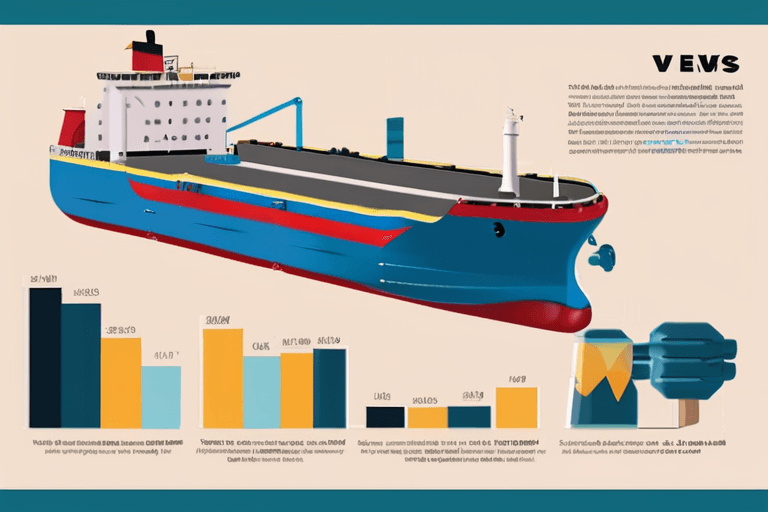
U.S. military forces seized a seventh oil tanker linked to Venezuela, the U.S. Southern Command (SOUTHCOM) announced Tuesday, as Washington intensifies its efforts to control the country's oil resources. The Motor Vessel Sagitta was apprehended in the Caribbean as part of an ongoing blockade targeting oil vessels either entering or leaving Venezuela, according to SOUTHCOM, which oversees military operations in Latin America.
The seizure is the latest move in a long-standing campaign by the U.S. government to pressure the Venezuelan government through economic sanctions, particularly targeting its oil industry, the lifeblood of the Venezuelan economy. The U.S. maintains that these measures are aimed at promoting democracy and human rights in Venezuela, accusing the current administration of corruption, authoritarianism, and human rights abuses.
The U.S. sanctions regime has significantly impacted Venezuela's oil production and exports, contributing to a severe economic crisis within the country. Critics of the U.S. policy, including the Venezuelan government and some international observers, argue that the sanctions are a form of economic warfare that disproportionately harms the Venezuelan people, limiting access to essential goods and services.
The Venezuelan government has consistently condemned the U.S. sanctions as illegal under international law, arguing that they violate the country's sovereignty and right to self-determination. Caracas has sought support from international allies, including Russia and China, who have also criticized the U.S. policy and maintained economic ties with Venezuela.
The capture of the Sagitta further escalates tensions between the U.S. and Venezuela. The U.S. government has stated its resolve to continue enforcing sanctions on Venezuela's oil industry, while the Venezuelan government is likely to pursue legal and diplomatic avenues to challenge the seizures and denounce what it views as an act of aggression. The situation remains fluid, with potential implications for regional stability and international relations.



















Discussion
Join the conversation
Be the first to comment